Quick answer
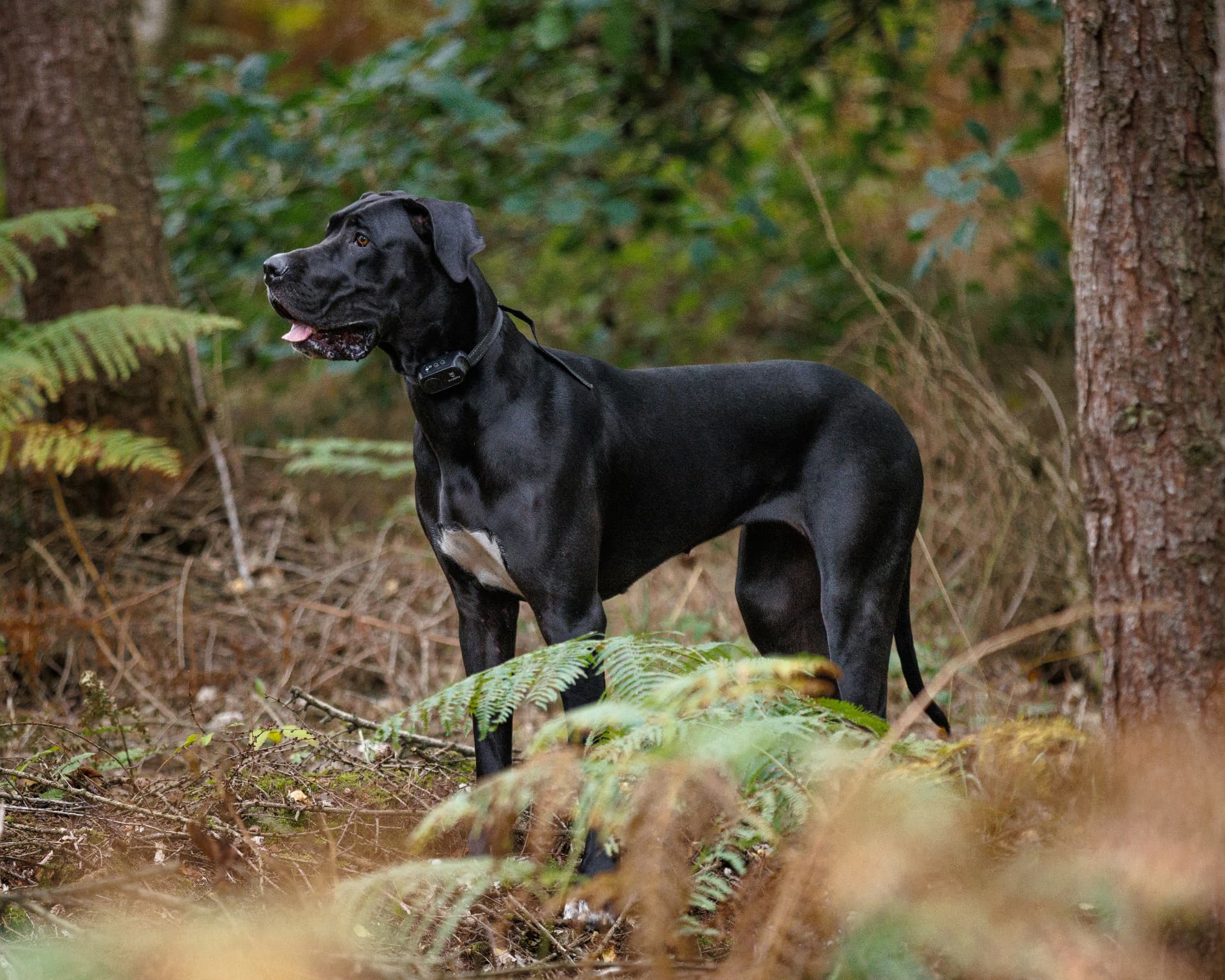
Bloat, or gastric dilatation-volvulus (GDV), is when a dog's stomach fills with gas and can twist. It is a life-threatening emergency. Watch for a swollen abdomen, retching without vomiting, heavy drooling, restlessness and signs of pain. Great Danes are among the highest-risk breeds because of their deep, narrow chests. If you see these signs, go to an emergency veterinarian immediately. Two smaller meals, slower eating and discussing a preventive gastropexy with your vet may reduce risk.
What is bloat, exactly?
Bloat is the everyday name for gastric dilatation-volvulus, usually shortened to GDV. The stomach fills with gas (the dilatation part), and in the worst cases it twists on itself (the volvulus part). When that happens, blood flow is cut off, the dog can go into shock, and the clock starts running very fast.
The American Kennel Club's health writers describe it plainly: even with intensive treatment, bloat still kills roughly 30 percent of the dogs it affects. Without treatment, it is worse. That is why this page exists, and why every Great Dane owner should know the signs before they ever need them.
The signs to watch for
The AKC lists the classic signs of bloat. None of them are subtle once you know what you are looking at:
- A swollen or enlarged abdomen
- Retching, like your dog is trying to vomit but nothing comes up
- Heavy drooling or salivation
- Restlessness, pacing, or an inability to get comfortable
- Signs of pain, such as whining when the belly is touched
How fast does bloat move?
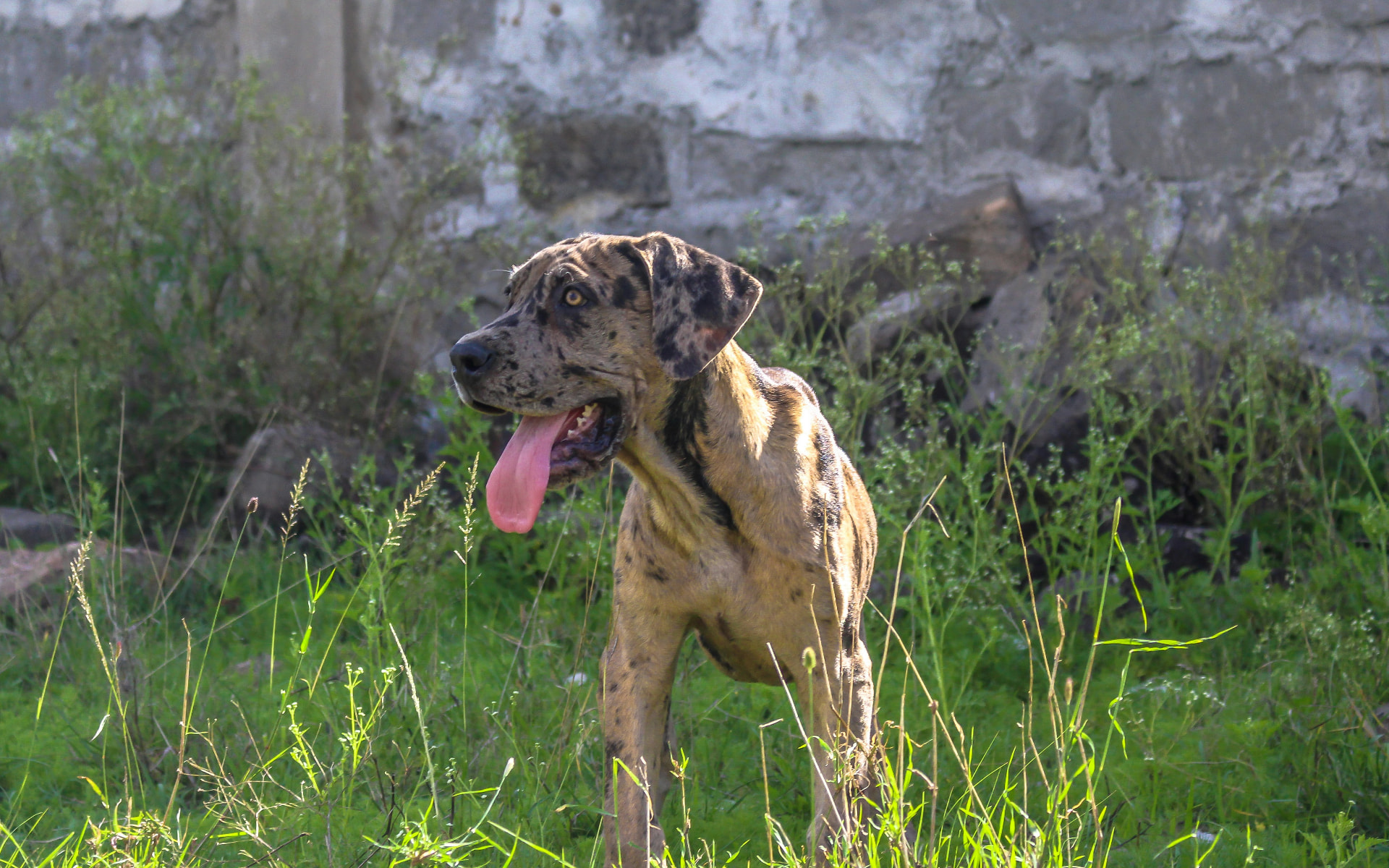
Fast. The AKC notes that without treatment, a dog can go into shock within an hour or two, with a rising heart rate and a weakening pulse. This is not a wait-and-see situation.
My own rule, learned from reading too many of these accounts: if your Great Dane is retching with a tight, swelling belly, you do not finish your coffee first. You go. If it turns out to be nothing, that is the best money you will ever spend at an emergency clinic.
Why Great Danes are at higher risk
It comes down to body shape. Research cited by the AKC found that dogs with deep, narrow chests bloat far more often, and Great Danes, with their high height-to-width ratio, are five to eight times more likely to bloat than dogs with a low ratio. Other giant and large breeds like St. Bernards, Weimaraners and Standard Poodles share the risk.
Other factors the AKC lists: males are about twice as likely to bloat as females, dogs with close relatives who have bloated are at higher risk, and stressed or fearful dogs bloat more often than relaxed ones. None of this means your dog will bloat. It means the odds are worth respecting.
What may lower the risk
There is a lot of folklore about bloat prevention, and even the experts admit some of it is contradictory. Elevated food bowls, for example, were once recommended and are now questioned. But a few findings come up consistently in the research the AKC cites:
- Dogs fed one meal a day are about twice as likely to bloat as dogs fed two. Splitting the daily food into smaller meals is a simple step.
- Fast eaters have roughly five times the risk of slow eaters. A slow-feeder bowl can help.
- Feeding separately from other dogs may reduce the anxiety and gulping that come with competition.
- Foods with soybean meal, or with oils and fats in the first four ingredients, were linked with higher risk in one analysis, though the AKC notes the dietary data is inconclusive overall.
The surgery worth asking about: gastropexy
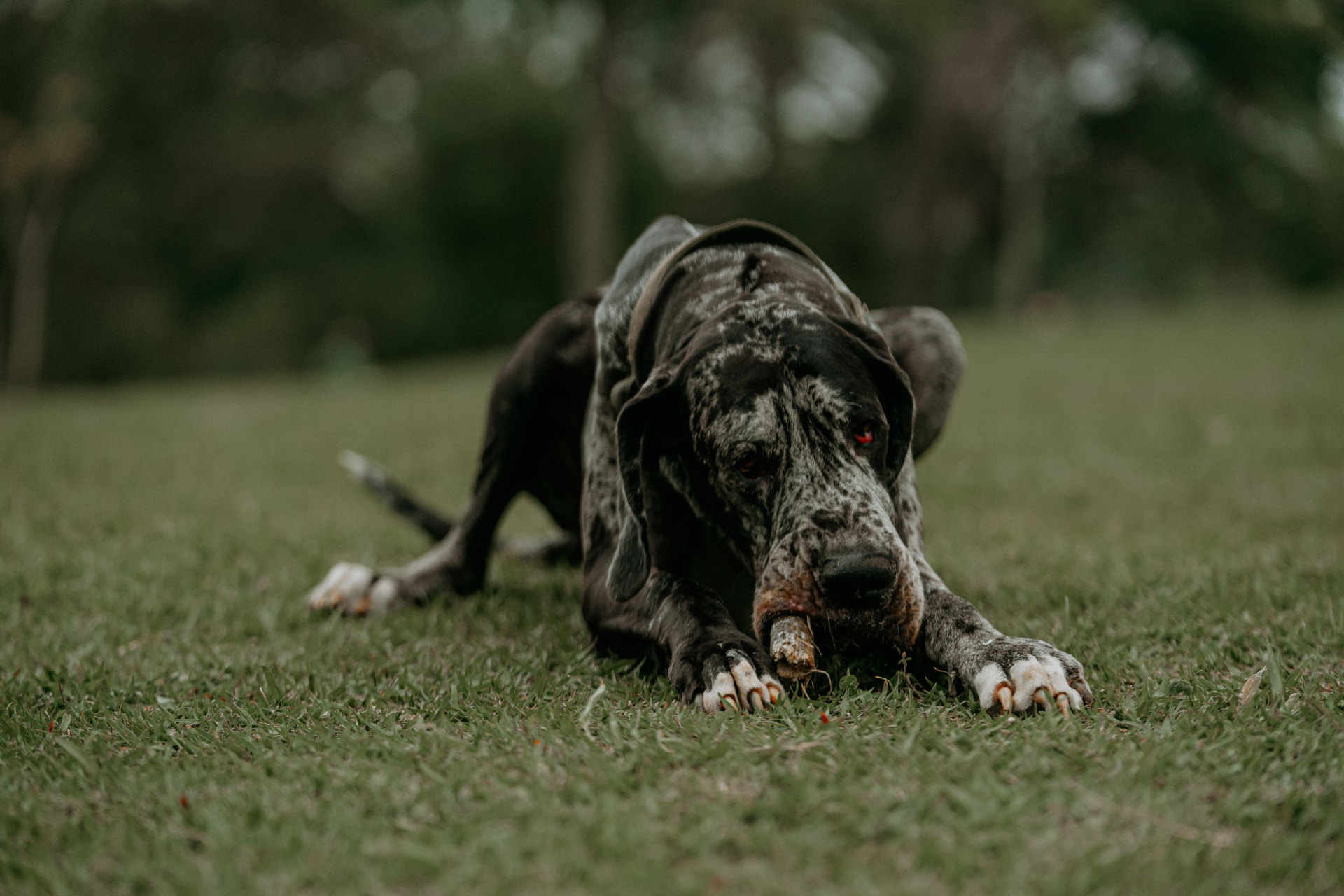
Because up to 90 percent of dogs who bloat once will bloat again, surgeons routinely tack the stomach to the abdominal wall during emergency surgery so it cannot twist a second time. That procedure is called a gastropexy.
Some owners of at-risk breeds now choose a preventive gastropexy, often done at the same time as a spay or neuter, and sometimes laparoscopically. The AKC is honest about the open question here: it is hard to know exactly which dogs are at high enough risk to justify it. This is a conversation to have with your veterinarian, ideally before you ever need it.
What this means for insurance
Bloat is exactly the kind of event pet insurance is built around: sudden, severe and expensive. Emergency GDV surgery is one of the bigger bills a dog owner can face, and many accident-and-illness policies list GDV as a covered emergency when it is not pre-existing and waiting periods have passed. Confirm that in the actual policy wording, not a marketing page.
Two things worth checking for a Great Dane specifically: whether the policy covers a preventive gastropexy (many treat it as elective, though some wellness add-ons contribute), and whether anything in your dog's record could be read as a pre-existing digestive condition. Our main insurance guide walks through how to read those clauses.
Frequently asked questions
What are the first signs of bloat in a Great Dane?
The AKC lists a swollen abdomen, retching without producing vomit, heavy drooling, restlessness and signs of pain. If you see these, treat it as an emergency and get to a veterinarian immediately.
Can a Great Dane survive bloat?
Yes, many do, especially with fast treatment. The AKC reports that even with intensive treatment bloat still kills about 30 percent of affected dogs, which is why speed matters so much.
Should I get a preventive gastropexy for my Great Dane?
It is a reasonable question to raise with your veterinarian. Great Danes are among the highest-risk breeds, and a gastropexy prevents the stomach from twisting. The AKC notes the hardest part is judging which dogs are at high enough risk, so it is an individual decision.
Does pet insurance cover bloat surgery?
Many accident-and-illness policies list GDV as a covered emergency when it is not pre-existing and waiting periods have passed, but read the specific policy wording to confirm. Preventive gastropexy is often treated differently and may only be partially covered through a wellness add-on.