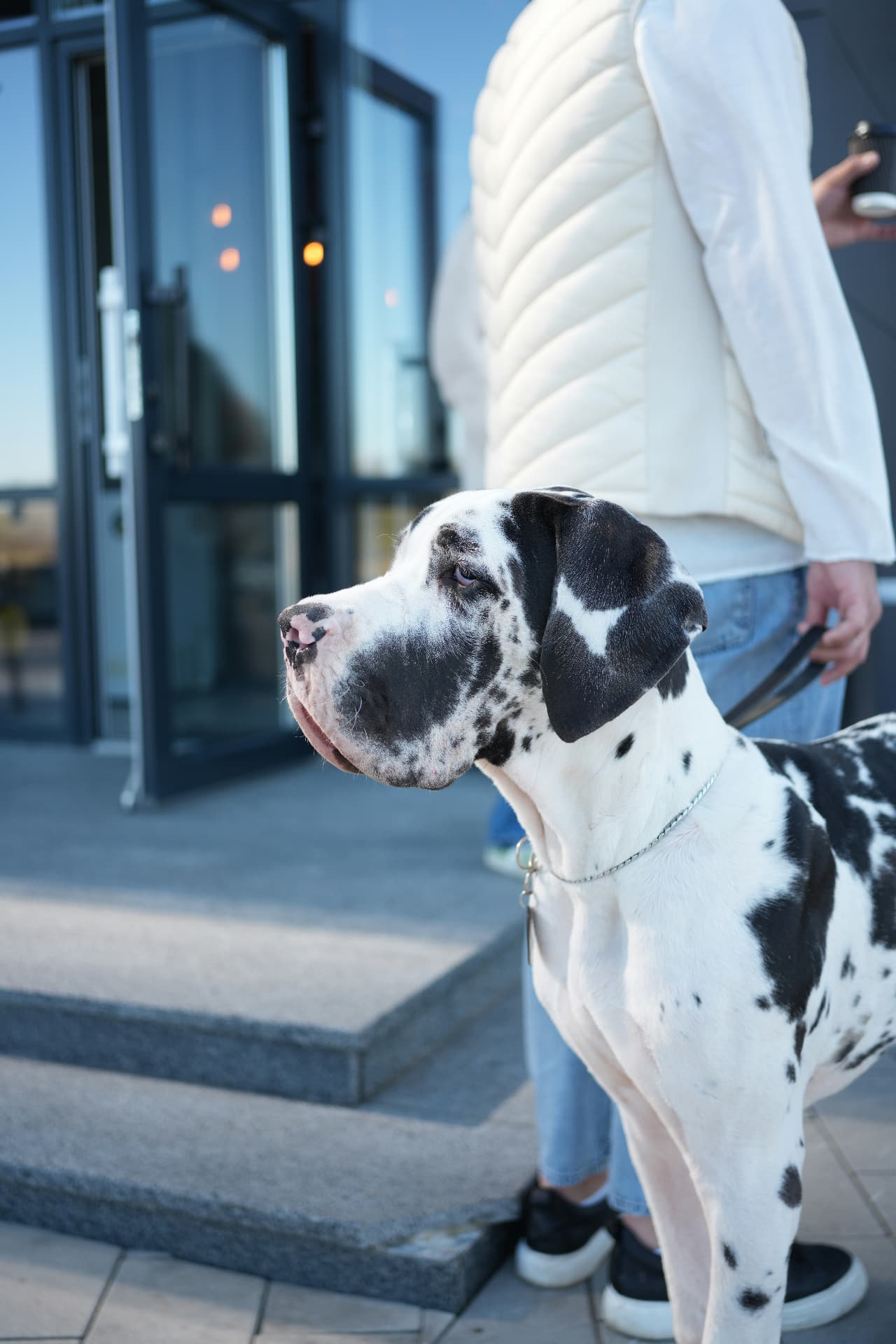
Quick answer
Great Danes can be predisposed to bloat (GDV), dilated cardiomyopathy, osteosarcoma, hip dysplasia and Wobbler syndrome, but a breed risk is not a prediction for your dog. Repeated attempts to vomit without bringing anything up, a swollen belly, weakness or collapse can signal GDV, which is an emergency: go to a veterinarian right away. For other changes in breathing, energy, movement or appetite, ask your veterinarian what needs attention.
A breed risk is not your dog's future
I would not use a list of conditions to predict what will happen to one dog. Family history, age and individual health matter, and even then a veterinarian needs to look at the dog in front of them. What a breed guide can do is give you better questions for your next appointment and help you recognize a change that should not wait.
Keep track of what is normal for your Great Dane: how they get up, move, breathe, eat and behave. A change from their usual self may matter more than any general description here. If something worries you, call your veterinary team rather than trying to match every symptom to a named disease.
Bloat and gastric dilatation-volvulus (GDV)
Great Danes are among the deep-chested breeds at increased risk of GDV. The stomach fills with gas and may twist, interfering with circulation. This can become life-threatening quickly. If you suspect it, go to an emergency veterinarian right away. Do not wait for every sign on this list or try to diagnose it online.
Warning signs can include repeated attempts to vomit with little or nothing coming up, a swollen or tight abdomen, restlessness, drooling, rapid breathing, weakness or collapse. Not every dog shows the same signs. If you are unsure, call an emergency veterinary hospital immediately.
Ask your veterinarian whether preventive gastropexy, a procedure that attaches the stomach to the body wall to reduce the risk of twisting, makes sense for your dog. It is a conversation about individual risk, not a promise that bloat cannot happen. The Cornell and ACVS resources below explain GDV and the procedure in more detail.
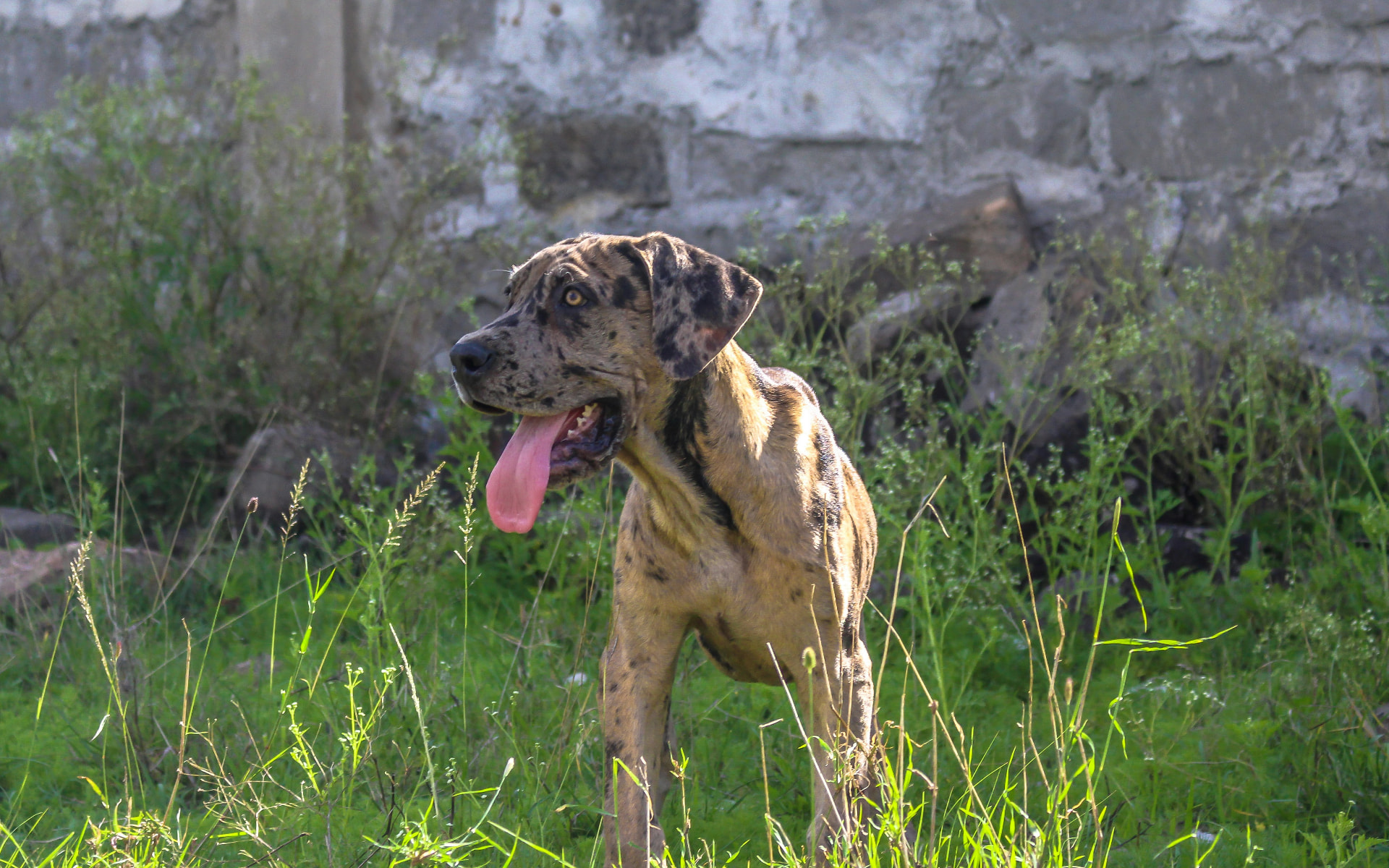
Heart disease and dilated cardiomyopathy
Dilated cardiomyopathy, or DCM, affects the heart muscle and its ability to pump blood. Great Danes are among the breeds in which it is a recognized concern. A dog may appear well early on, which is one reason an ordinary checkup matters even when nothing seems wrong.
A cough, unusual tiredness, fainting, trouble breathing or a change in exercise tolerance deserves a call to your veterinarian. Those signs can have other causes too. Ask whether heart evaluation is appropriate for your dog's history and age; your veterinarian may discuss tests such as an echocardiogram or heart-rhythm monitoring. Seek urgent care for breathing difficulty or collapse.
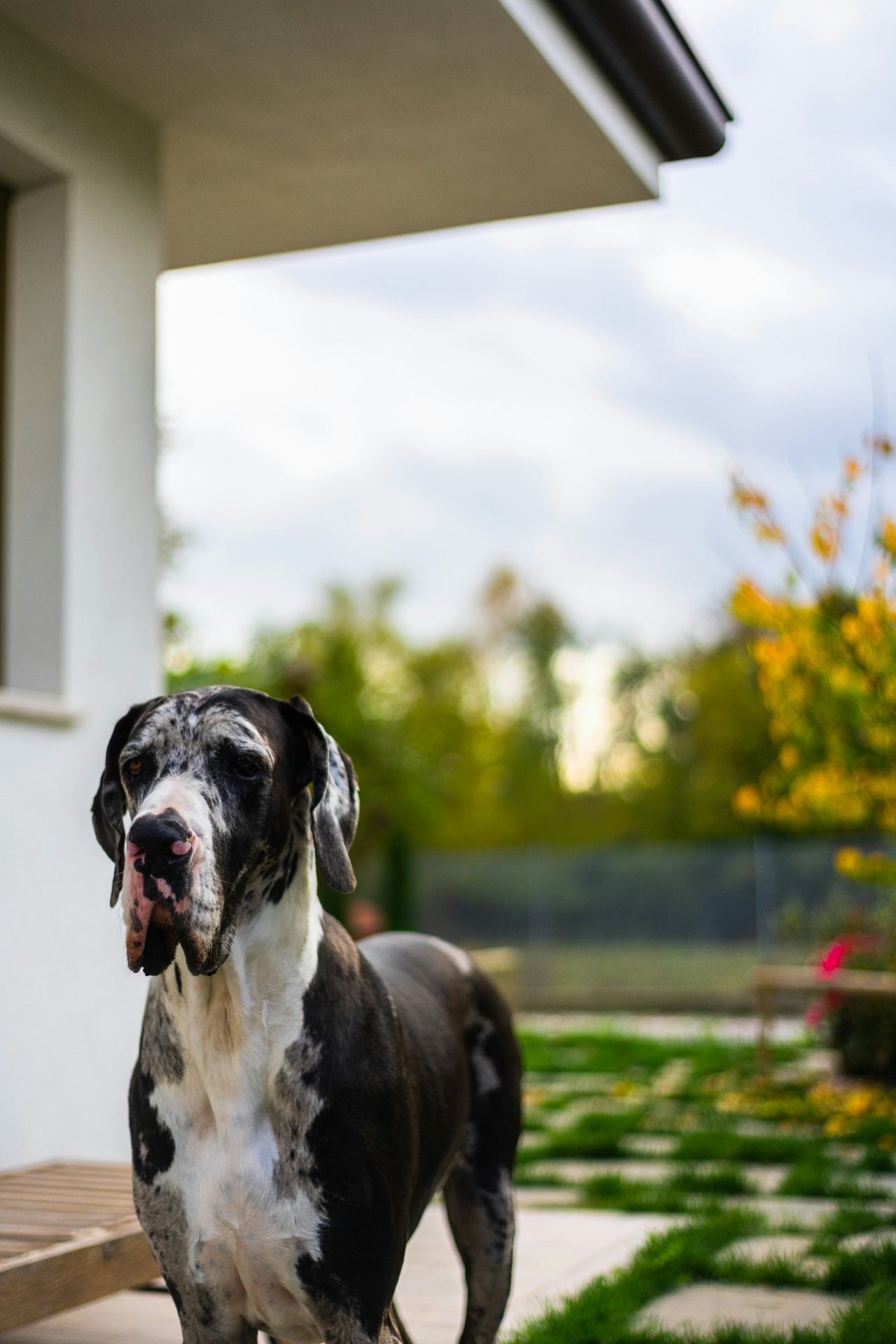
Bone cancer, hips and mobility
Osteosarcoma is a bone cancer seen in large and giant dogs. Persistent or worsening lameness, swelling over a bone or pain is worth veterinary attention. A limp does not automatically mean cancer; it can have many explanations. I would rather have a veterinarian check a change than guess from a search result.
Hip dysplasia and osteoarthritis can also affect mobility. You might notice stiffness after rest, difficulty getting up or reluctance to take stairs. Tell your veterinarian when the change started and whether it is getting worse. They can examine your dog and decide whether imaging or another assessment is useful. The Cornell and OFA sources below offer more background on bone cancer and hips.
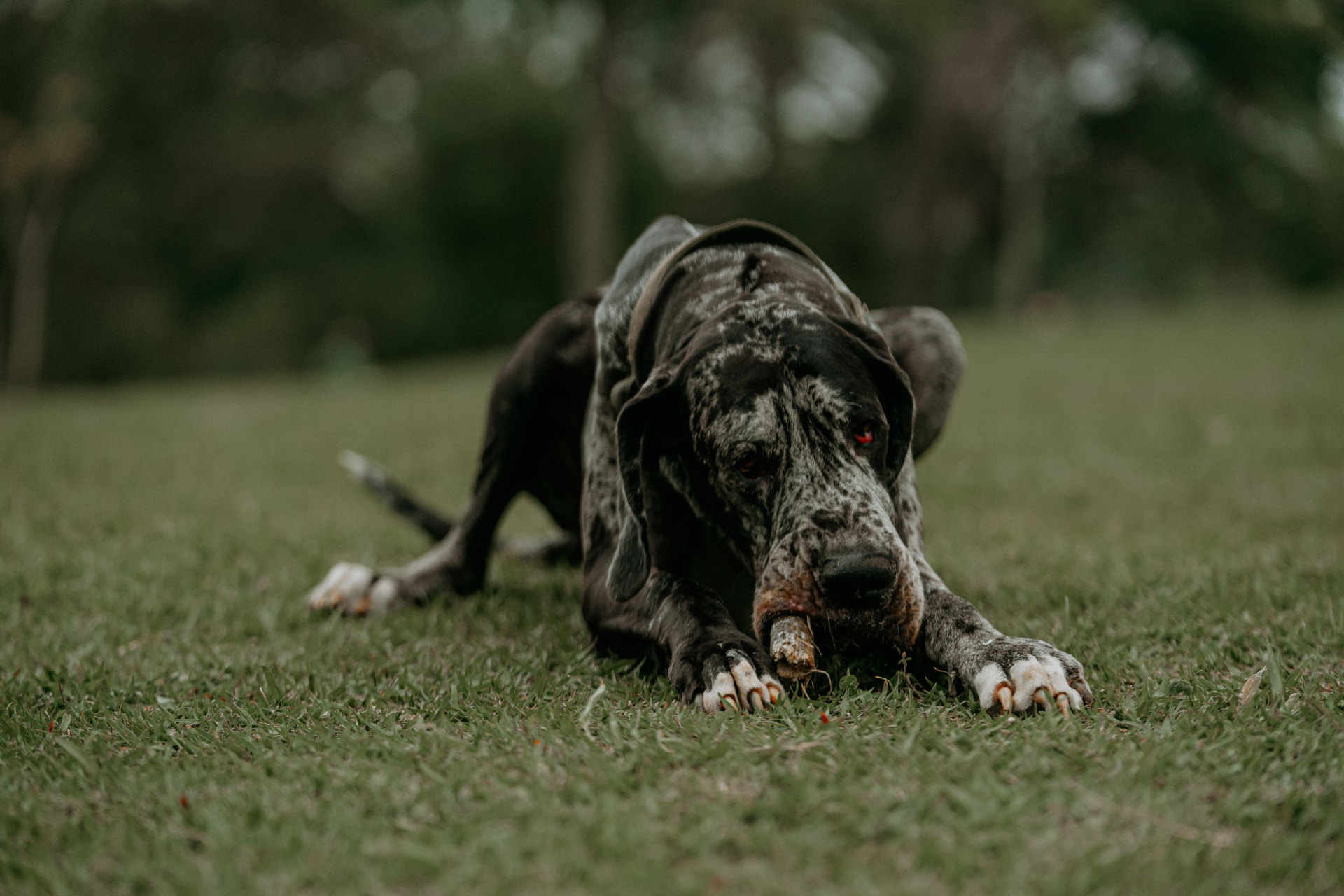
Wobbler syndrome and changes in gait
Cervical spondylomyelopathy, commonly called Wobbler syndrome, involves the neck and spinal cord and is seen in some large breeds, including Great Danes. An unsteady or wobbly gait, weakness, neck pain or trouble navigating steps may need veterinary evaluation. These signs are not specific to Wobbler syndrome, and a veterinarian can work through other possibilities.
If your dog suddenly cannot walk normally, seems severely painful or becomes weak, seek prompt veterinary help. Do not wait for a routine appointment because a webpage suggested a particular diagnosis.
What to ask at your next veterinary visit
If your dog seems well, a regular appointment is a good place for a calm conversation. Bring any family history you have and describe changes you have noticed without trying to label them. You can ask:
- Which changes in breathing, appetite, energy or movement should make me call?
- What signs of GDV should I know, and where is the nearest emergency hospital?
- Is preventive gastropexy worth discussing for my dog?
- Do my dog's history or exam findings suggest heart or orthopedic evaluation?
How health history affects an insurance decision
Pet insurance generally addresses eligible new conditions, not a condition already documented before coverage begins or during a waiting period. Some policies define pre-existing conditions using symptoms as well as diagnoses. I would not assume that seeing a breed name on an insurer's website means treatment for that breed's conditions is covered.
If you are comparing policies, read the version offered in your state. Check hereditary and congenital condition language, orthopedic waiting periods, annual limits, and the definition of a pre-existing condition. Ask the insurer how it treats GDV treatment and preventive gastropexy, which may be handled differently. Then compare that contract with your dog's health record and your budget. Our coverage guide and puppy and senior guides explain the timing questions in more detail.
- A quote shows a possible price, not an answer about a future claim.
- Ask about an existing symptom or veterinary note before relying on an assumption.
- For a suspected emergency, get veterinary care first. A coverage question should not delay treatment.
Frequently asked questions
What health problems are Great Danes prone to?
Conditions associated with the breed include GDV (bloat), dilated cardiomyopathy, osteosarcoma, hip dysplasia and Wobbler syndrome. A breed association is not a prediction for an individual dog; your veterinarian can advise based on your dog's health and history.
What are warning signs of bloat in a Great Dane?
Repeated unproductive retching, a swollen belly, restlessness, drooling, rapid breathing, weakness or collapse may occur. Not all signs are present in every dog. If you suspect GDV, seek emergency veterinary care immediately.
Does pet insurance cover Great Dane health conditions?
It depends on the policy, its waiting periods, exclusions and your dog's medical history. Ask the insurer about the applicable contract and any existing symptoms or records. Do not assume a named condition is covered.