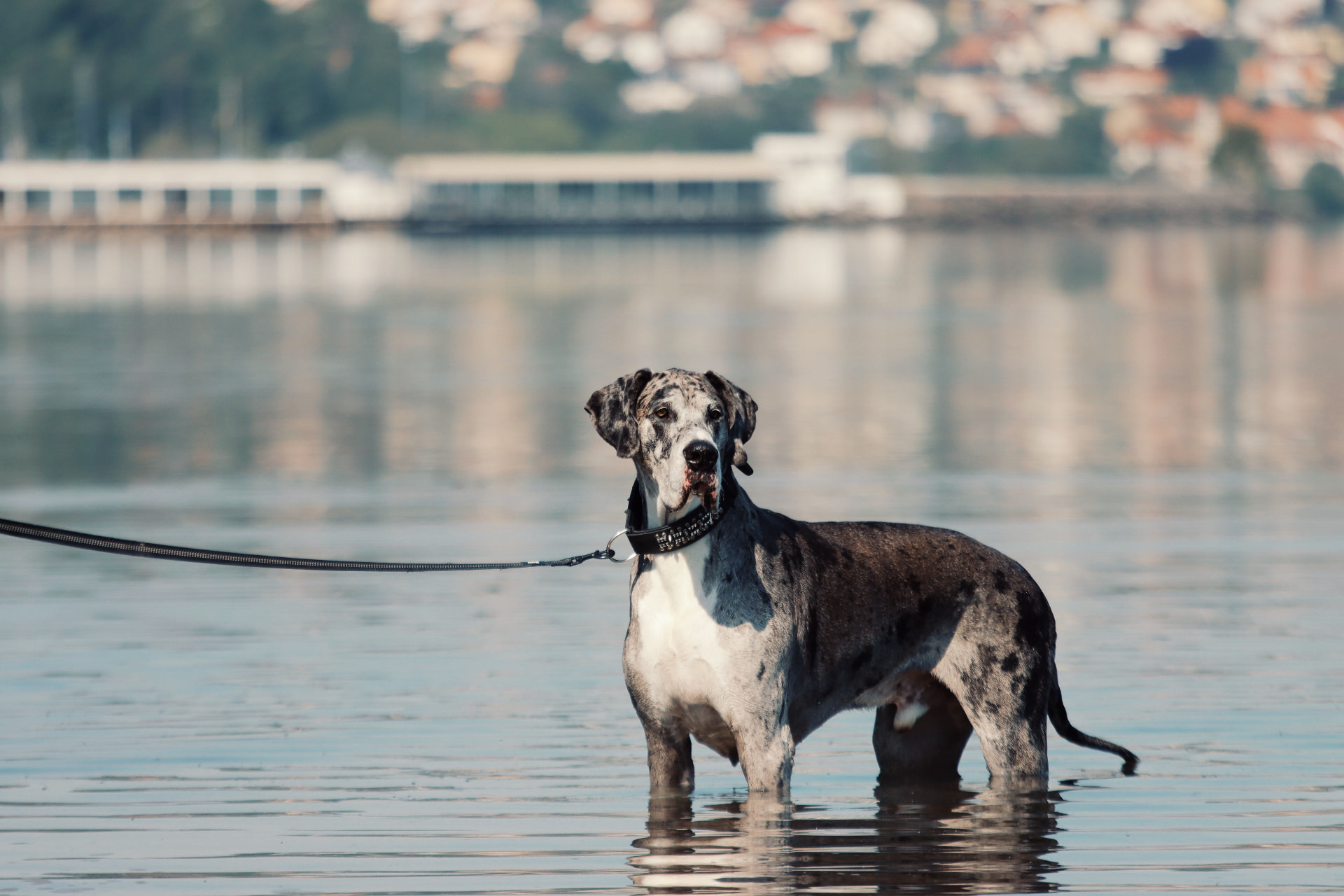
Quick answer
How should you compare Great Dane pet insurance? Use the same dog details and, where possible, match the deductible, reimbursement percentage and annual limit across quotes. Then read each policy's waiting periods, pre-existing condition rules, hereditary and orthopedic terms, and exclusions. A lower premium can still leave you with more to pay after an eligible claim. Lemonade and Swiftest are quote options featured here, not ranked recommendations; the fit depends on your dog, location, budget and available policy terms.
First, make the quotes comparable
I would start with one note containing your Great Dane's age, ZIP code and health details. Use that same information in each quote form. If one option asks a question the other does not, answer accurately rather than trying to force an exact match.
Choose accident-and-illness or accident-only coverage before comparing prices. Keep the deductible, reimbursement percentage and annual limit as close as the options allow. Write down any differences you cannot match, including whether routine-care benefits are added. A lower premium on a policy with a higher deductible is not an apples-to-apples saving.
- Same dog, age and location
- Similar coverage type and optional benefits
- Similar deductible, reimbursement percentage and annual limit
- Quote date and any choices the forms did not let you match
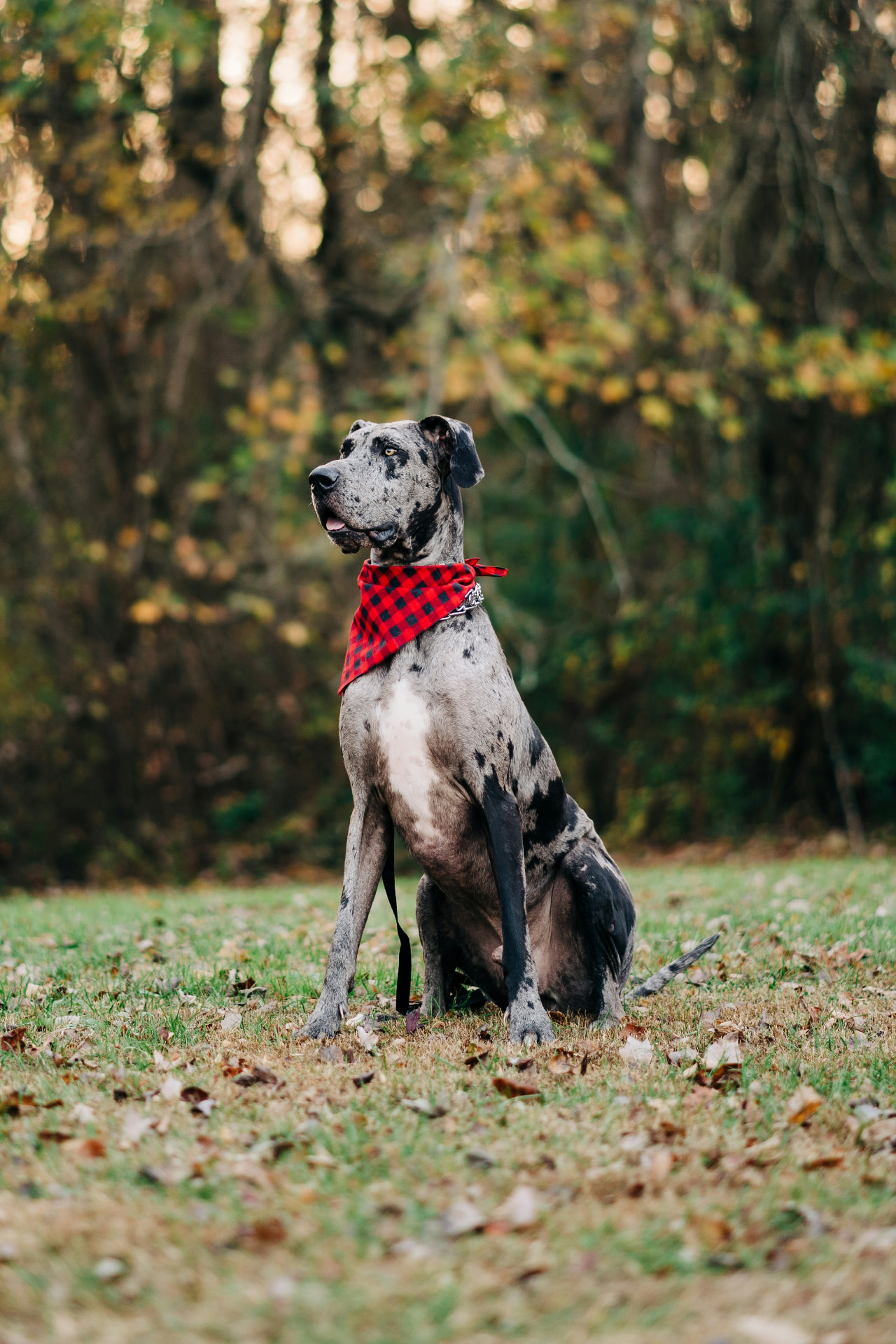
Look past the monthly premium
A premium is what you pay to keep the policy. It doesn't tell you what happens after a veterinary bill. The deductible is the amount defined by the policy before reimbursement, the reimbursement percentage is the share of eligible costs the insurer may pay, and an annual limit can cap what the policy pays during its year.
Ask whether a deductible is annual or applies per condition. Look for items that may not count toward reimbursement, such as an exam fee if the policy excludes it. You may also need to pay the clinic first and submit a claim afterward. If either of those would be hard for your household, factor that into the decision instead of comparing premiums alone.
Check the Great Dane details in the policy
A breed risk is not a diagnosis. Still, Great Dane owners have good reason to look closely at how a policy treats orthopedic conditions, hereditary and congenital conditions, and emergencies such as gastric dilatation-volvulus (GDV), often called bloat. The label on a quote screen is less useful than the policy's definitions and exclusions.
Compare accident and illness waiting periods separately. Some policies have additional orthopedic rules. Read how the contract defines pre-existing conditions, including symptoms recorded before enrollment or during a waiting period. Ask the provider how bilateral conditions, such as problems affecting both hips, are handled. And don't assume that eligible emergency GDV treatment means a preventive gastropexy would also be covered.
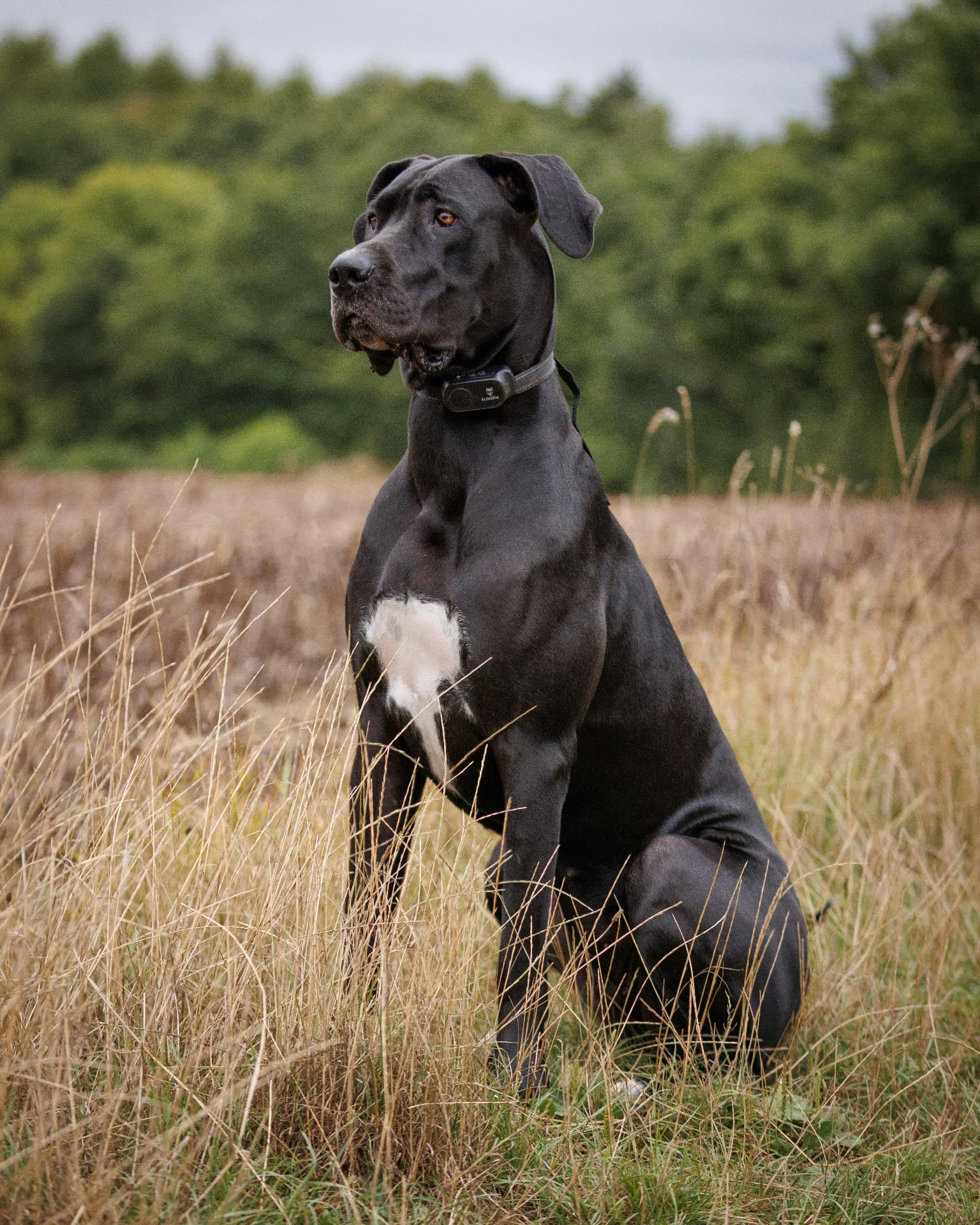
Use Lemonade and Swiftest as two quote options
This site has affiliate relationships with Lemonade and Swiftest. We may earn a commission from eligible actions through partner links, at no cost to you. They are options to explore, not a ranking, and their inclusion does not mean we compared every insurer available where you live.
Get a current quote from each if you want to use these options. Availability and terms can change. Read the policy linked to each offer, check who would issue the policy and confirm any questions with the provider before enrolling. I wouldn't call one a better fit from the brand name alone.
A small comparison sheet you can actually use
If I were deciding today, I would put the answers below side by side. You don't need a giant spreadsheet, just enough detail to see whether the policies are answering the same question.
- What is the monthly premium for the same type of coverage?
- How much might I pay before and after reimbursement on an eligible bill?
- When would accident, illness and orthopedic coverage begin?
- How does each policy define pre-existing, hereditary and bilateral conditions?
- Are exam fees, diagnostics, rehabilitation or other services important to me included?
- What happens to coverage and premiums as my dog gets older?
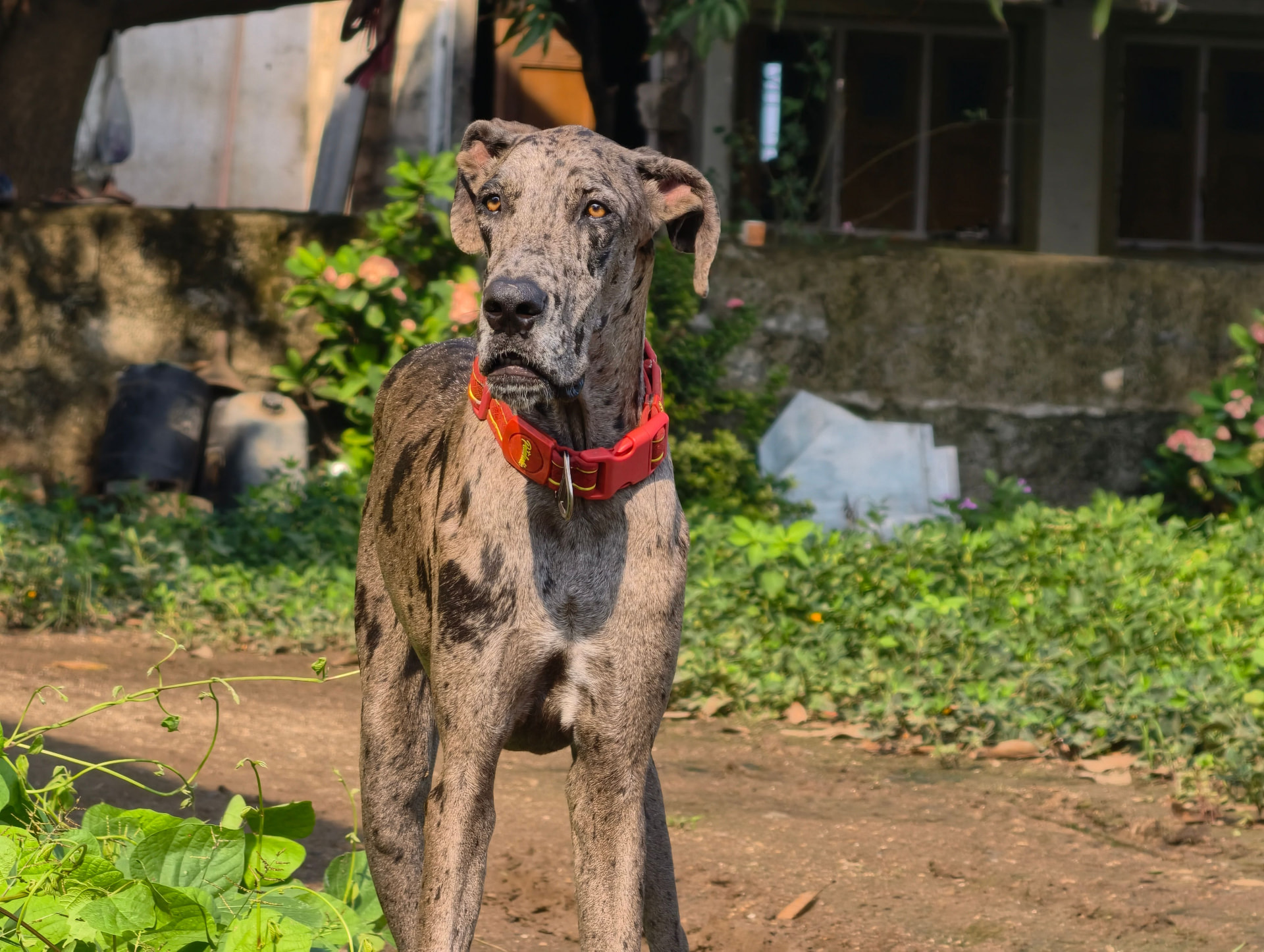
What I would do before choosing
Save the quote and the version of the policy you read. Check the effective date, exclusions, claims process and cancellation terms for your location. If a medical-record note or policy phrase could change the answer, ask the insurer directly and keep the reply with your comparison.
Some households would rather keep a dedicated emergency fund than pay a recurring premium. Others value help with eligible surprises even though a policy still leaves some costs to them. A useful comparison makes that trade-off visible; it cannot choose for you.
Frequently asked questions
Which pet insurance option is best for a Great Dane?
There is no single answer for every dog or household. Compare current policies using the same dog details and similar coverage choices, then weigh exclusions, waiting periods, out-of-pocket costs and your budget.
Does the cheaper quote offer the better value?
Not necessarily. A lower premium can come with a different deductible, reimbursement percentage, annual limit or exclusions. Compare what you might pay when an eligible claim occurs, not just the monthly amount.
Are Lemonade and Swiftest ranked here?
No. They are affiliate quote options featured on this site, not first and second place. Their order is not a recommendation or a comparison of every insurer.