
Quick answer
There is no single monthly price for Great Dane pet insurance, but published figures give a frame. Lemonade's published averages for Great Danes run from about $60 to $65 a month at age 1 to about $115 to $120 by age 7, and MoneyGeek's analysis put a standard Great Dane policy near $99 a month. Your actual quote can vary with age, location, insurer and coverage choices, so request current quotes and compare the policy terms and what you would still pay for an eligible claim.
What published figures suggest
You deserve more than a shrug, so here is what real published numbers show. Lemonade publishes average monthly premiums by age on its Great Dane page: about $60 to $65 for a 1-year-old, rising to about $115 to $120 by age 7. On the same tables, a 1-year-old Chihuahua runs about $25 to $30 a month, which is one way to see how much size shapes the price.
MoneyGeek, an insurance comparison site, put a standard Great Dane policy at about $99 a month ($1,190 a year), assuming a $5,000 annual limit, a $500 deductible and 80% reimbursement. Its broader cost analysis found average pet insurance anywhere from $11 to $354 a month.
Those figures are for orientation, not planning. Lemonade's averages describe one provider's pricing, and MoneyGeek's depend on the assumptions it chose. Your quote may land outside both ranges depending on your state, your dog's exact age, the deductible you pick and how each policy defines an eligible expense. Treat the ranges as a frame, then get a current quote with your dog's details.
What changes the monthly premium?
Insurers consider different information when setting a price, and their rules vary. These are the choices and details I would write down before comparing two offers:
A lower monthly premium may go with more cost left to you after a claim. I would look at the monthly price and the amount I might still owe, not either one alone.
- Your dog's age, breed and location, plus any eligibility rules the insurer applies.
- Accident-only versus accident-and-illness coverage. They answer different questions.
- The deductible: what you may need to pay before reimbursement under the policy's rules.
- The reimbursement percentage and annual limit: how an eligible bill may be shared or capped.
- Optional benefits, such as routine-care or wellness add-ons, priced separately from core coverage.
Does being a giant breed change the decision?
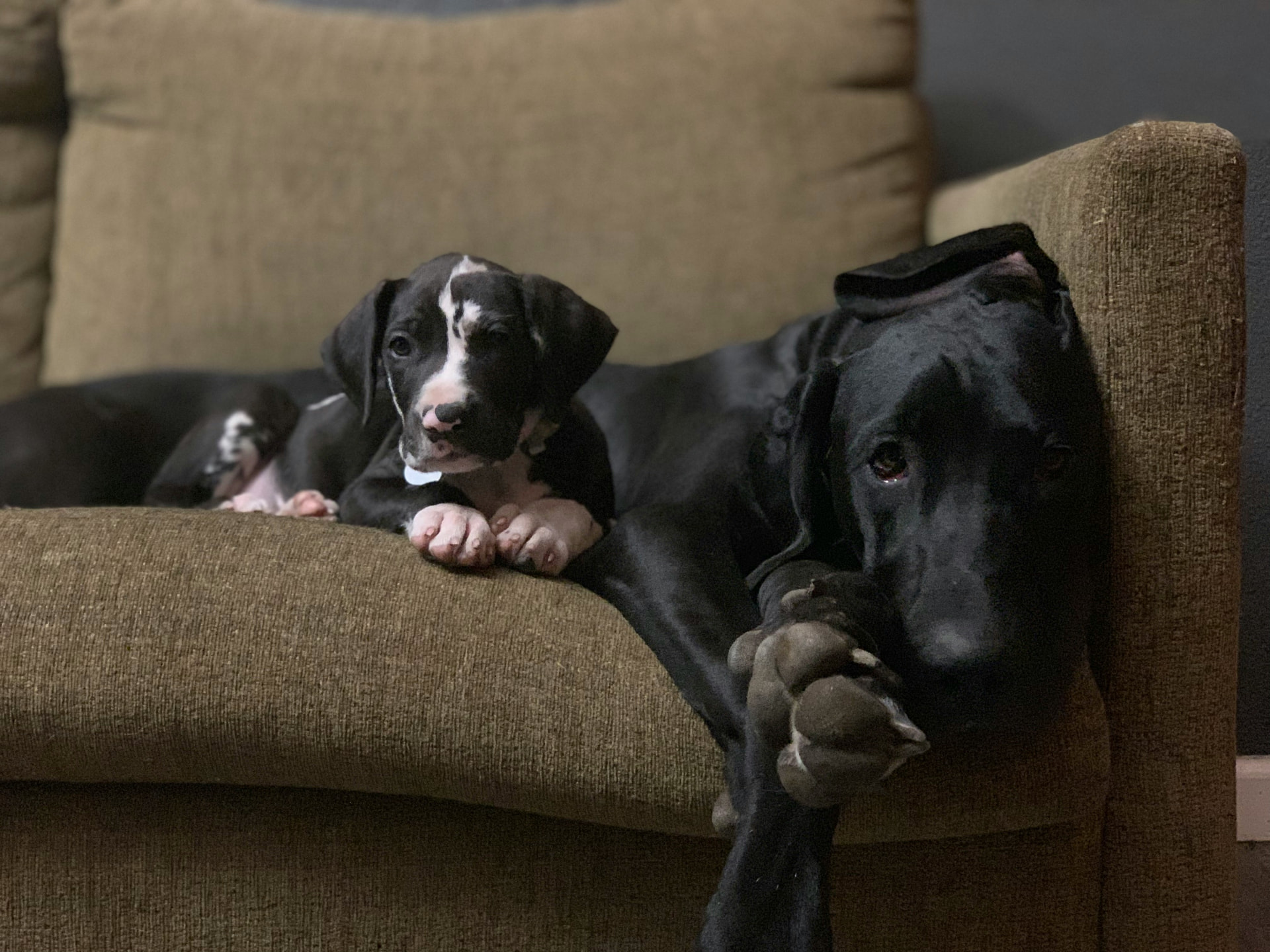
A Great Dane's size can matter when you think about medication, imaging, anesthesia and orthopedic care. It does not tell you what any future vet bill or insurance premium will be. Breed-related concerns such as bloat (GDV) and joint problems are reasons to read the policy's waiting periods, exclusions and annual limit, not reasons to assume a condition will happen or be covered. The published pricing above tells a similar story: both sources show giant-breed premiums running well above what they show for small dogs.
If a large bill would be difficult to pay at once, ask whether you could cover the deductible, your share of an eligible claim, and anything above the limit. Some providers reimburse after you have paid the veterinary clinic, so the timing of the money matters too.

How I would compare two quotes
I would enter the same accurate age, breed and ZIP code for my dog in each form. Then I would match the coverage type, deductible, reimbursement percentage and annual limit as closely as each provider allows. If one quote includes a wellness add-on and the other does not, I would remove or separate it before comparing prices.
Next comes the less exciting part: read the sample policy for your state. Check the pre-existing condition definition, accident and illness waiting periods, any separate orthopedic rules, and which fees may be excluded. A cheaper quote does not answer any of those questions by itself.
- Keep a copy of each quote and note its date; the figures may change.
- Write down any settings that could not be matched.
- Check whether the deductible is annual or per condition, and whether an annual limit resets.
- Ask the insurer to clarify an unclear exclusion before relying on it.

What if the premium changes later?
The first quote is a starting point, not a lifetime price. Ask each insurer how renewal pricing works and whether age, location, claims experience or coverage changes may affect future premiums under its rules. The answer can vary by provider and state.
I would also check the cost of keeping the policy against what I could set aside myself. A lower premium obtained by choosing a higher deductible may fit one household's emergency fund and put another under strain. There is no universally right setting.
The question I'd take away
After you have real quotes, ask: if my Great Dane needed care tomorrow, what part of an eligible bill would I pay, and could I pay the clinic before any reimbursement arrives? If you cannot answer that from the quote and policy together, the monthly number alone is not enough to decide.
You do not have to buy a policy because this page has quote links. Compare the terms with your budget, and if setting money aside is a better fit for you, make that a deliberate plan too.
Frequently asked questions
How much is pet insurance for a Great Dane per month?
There is no single price, but published figures can frame it: Lemonade's published averages for Great Danes run from about $60 to $65 a month at age 1 to about $115 to $120 by age 7, and MoneyGeek's analysis put a standard Great Dane policy near $99 a month. Your quote can differ with age, location, coverage settings and provider, so compare matched quotes and policy terms.
Is a cheaper Great Dane policy a better deal?
Not necessarily. A lower premium can leave you with a higher deductible, a smaller share reimbursed or a lower annual limit. Exclusions and waiting periods also matter. Compare the amount you might pay after an eligible claim, not only the monthly bill.
Will my Great Dane's premium go up with age?
It may. Renewal pricing varies by insurer, state, age and coverage choices. Ask the provider how premiums can change over time rather than assuming today's quote stays the same.
Are wellness plans included in the cost?
They may be offered as optional add-ons, and their price and benefits vary. Compare accident-and-illness coverage separately from routine-care benefits so you know what each part costs.