Quick answer
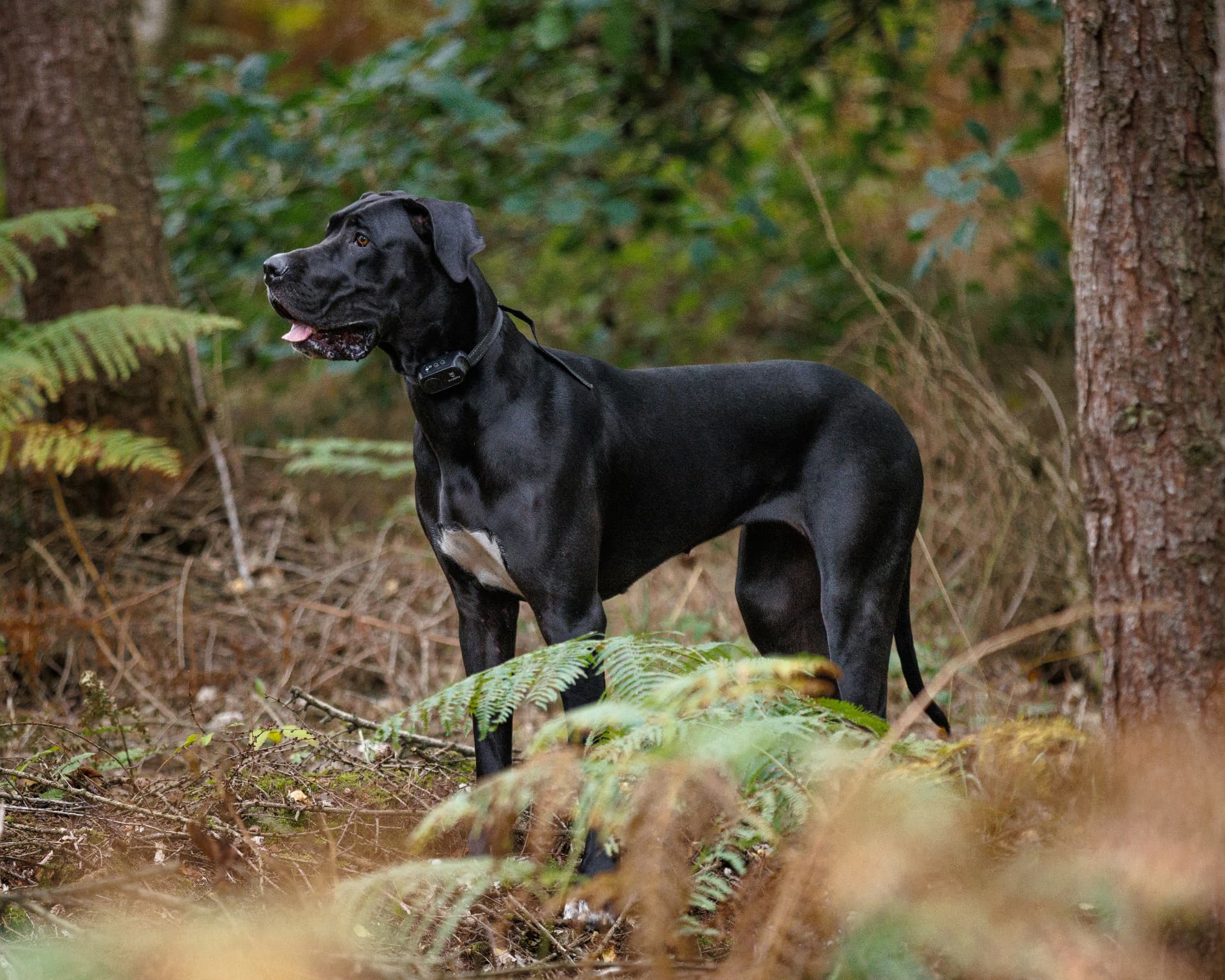
Great Dane insurance is regular dog insurance chosen with a giant breed in mind. An accident-and-illness policy may reimburse part of eligible vet bills after the deductible, reimbursement rate, annual limit, waiting periods and exclusions apply. For a Great Dane, read how the policy handles bloat (GDV), hereditary and orthopedic conditions, and pre-existing conditions. Enrolling while your dog is young and healthy generally leaves less in the medical record to exclude.
What is Great Dane insurance?
There is no special product sold only for Great Danes. “Great Dane insurance” simply means dog insurance picked with a giant breed in mind. Most providers build from the same three pieces: accident-only coverage, accident-and-illness coverage, and an optional wellness or preventive add-on.
What changes for a Great Dane is the context. Larger medication doses, bigger equipment and sometimes more involved surgery can all push a bill up. That is why I read the details of a policy, not the headline.
Start with the policy, not the promise
Accident-and-illness plans may help with eligible veterinary expenses after deductibles, reimbursement percentages, annual limits, waiting periods and exclusions are applied. Coverage varies by insurer, state and policy.
When I look at a policy for a Great Dane, I go straight to hereditary and congenital condition language, orthopedic waiting periods, exam fees and how the annual limit works. Honestly, the sample policy is the least exciting document on any provider’s site. It is also the one that answers most of the questions owners email me about.
Terms worth comparing
- Deductible: the amount defined by the policy before reimbursement applies.
- Reimbursement: the eligible percentage the insurer may pay after its calculation.
- Annual limit: the most a policy may reimburse during a policy year.
- Waiting period: time after enrollment before certain coverage can begin.
- Pre-existing condition: a condition or sign that falls within the policy’s definition before coverage applies.
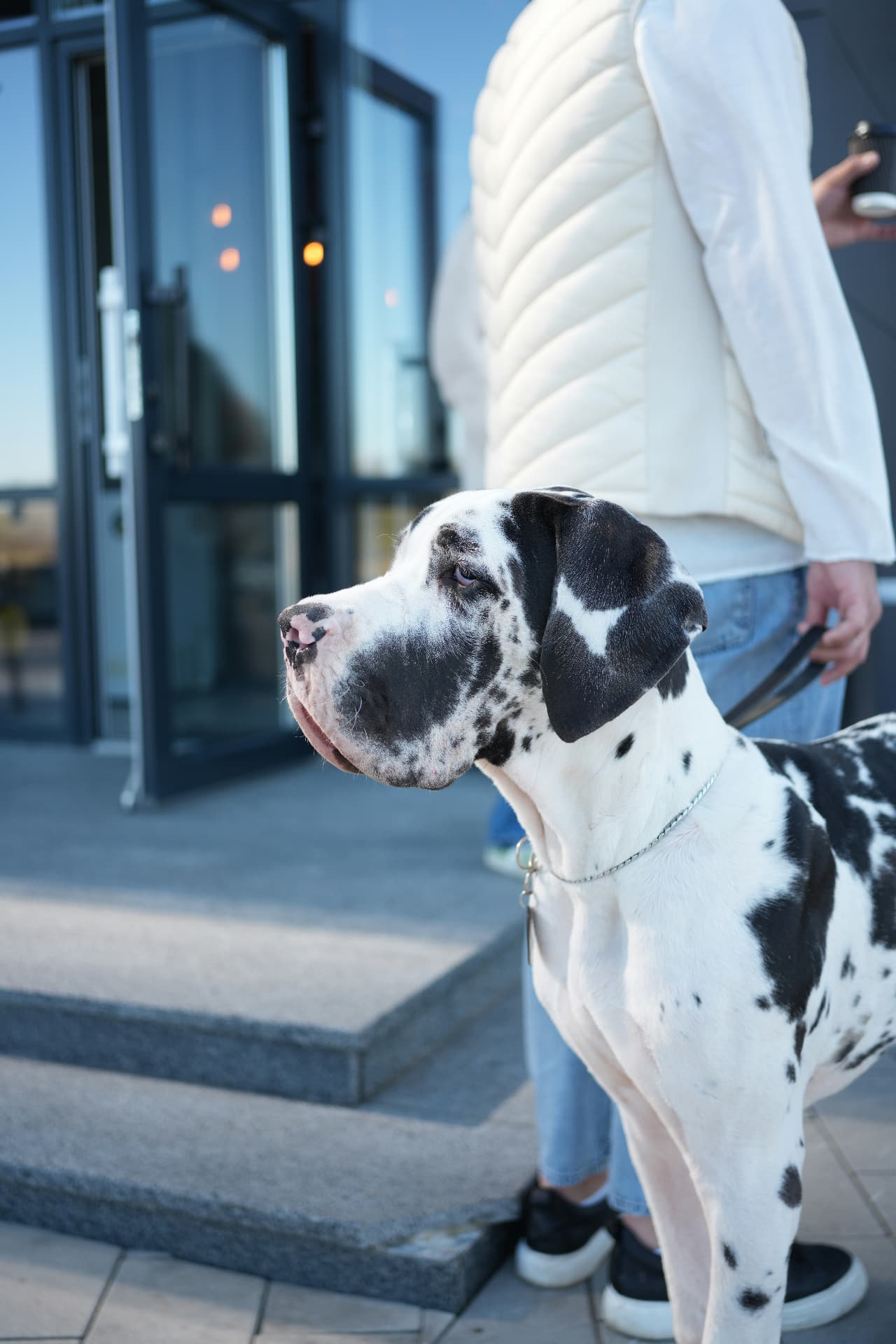
- Bilateral condition: a condition that can affect both sides of the body, such as hips or knees. Some policies treat the second side as pre-existing if the first was noted before coverage.
What pet insurance often covers, and what it often leaves out
Accident-and-illness policies commonly list diagnostics, emergency care, surgery, hospitalization and prescription medications for covered conditions. Common exclusions include pre-existing conditions, routine care (unless you add a wellness plan), cosmetic procedures and breeding costs.
Insurers word these lists differently, so I treat them as categories to look for rather than a promise of what any one policy will pay. If routine care matters to you, our wellness plans guide explains how those add-ons usually work.
A Great Dane-specific review
Great Danes can be predisposed to conditions including GDV (bloat), dilated cardiomyopathy, osteosarcoma, hip dysplasia and cervical spondylomyelopathy (Wobbler syndrome). That does not mean your dog will develop any of them. It does mean the definitions and exclusions deserve a slow read. Our health problems guide covers the warning signs in more detail.
- Read the current sample policy for your state.
- Ask how bilateral, hereditary and congenital conditions are handled.
- Confirm waiting periods, especially orthopedic ones, before relying on a quote summary.
- Check whether preventive gastropexy is covered, excluded or only available through a wellness add-on.
- Compare the premium with the deductible, reimbursement choice and limit together.
When to enroll a Great Dane
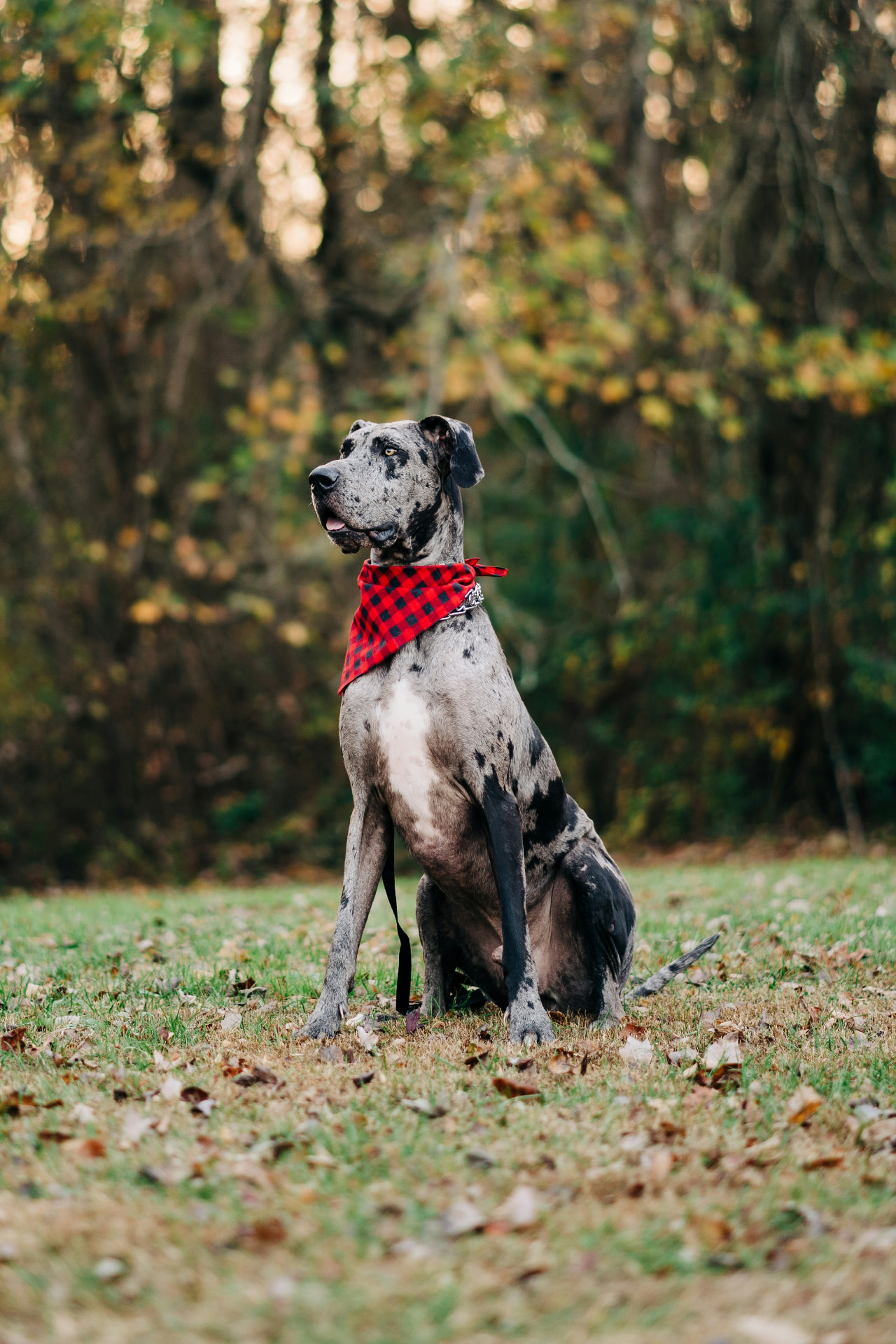
Timing matters more than most people expect. Anything a veterinarian notes before coverage starts, or during a waiting period, may be treated as pre-existing. For many owners, that makes the puppy months a practical time to compare options, before the first limp or upset stomach ends up in the record.
If your Dane is already older, it may not be too late. Age limits and pricing vary by provider, and the senior guide walks through what to check.
What does it cost?
Prices vary a lot by age, location and the coverage you choose. Lemonade’s own published averages for Great Danes run about $60 to $65 a month at age 1 and about $115 to $120 by age 7, and MoneyGeek’s analysis puts a standard Great Dane policy around $99 a month. Those are a frame, not your price. The cost guide explains what moves the number.
How to compare Great Dane insurance quotes
- Use the same age, ZIP code and pet details for every quote.
- Match the deductible, reimbursement percentage and annual limit as closely as possible.
- Open the sample policy and search for “hereditary,” “congenital,” “bilateral” and “waiting period.”
- Note whether exam fees are reimbursed for covered illnesses.
- Write down how premiums may change as your dog ages, if the provider explains it.
How I would decide
If a sudden bill of a few thousand dollars would be hard to cover, insurance may be worth a closer look. If you have savings set aside and prefer to self-fund, that is a reasonable choice too. Either way, I would get two real quotes, read the exclusions and pick the option you understand best, not the one with the loudest headline.
Frequently asked questions
Is pet insurance worth it for a Great Dane?
It depends on your savings, your comfort with unexpected bills and the policy terms. Insurance tends to be most useful for large, unplanned accident or illness costs. It is not designed to save money on routine care.
How much is pet insurance for a Great Dane?
Published figures give a rough frame: Lemonade’s averages run about $60 to $65 a month at age 1 and $115 to $120 by age 7, and MoneyGeek estimates about $99 a month for a standard policy. Your quote depends on age, location and coverage choices.
Does pet insurance cover bloat (GDV) in Great Danes?
Many accident-and-illness policies list GDV as a covered emergency when it is not pre-existing and waiting periods have passed, but confirm it in the specific policy wording.
Are hip dysplasia and other hereditary conditions covered?
Some policies cover hereditary and congenital conditions; others limit or exclude them, or apply longer orthopedic waiting periods. This is one of the most important clauses for a Great Dane owner to read.
Can I insure an older Great Dane?
Many providers accept older dogs, though age limits, pricing and pre-existing condition rules vary. See our senior Great Dane insurance guide for what to check.