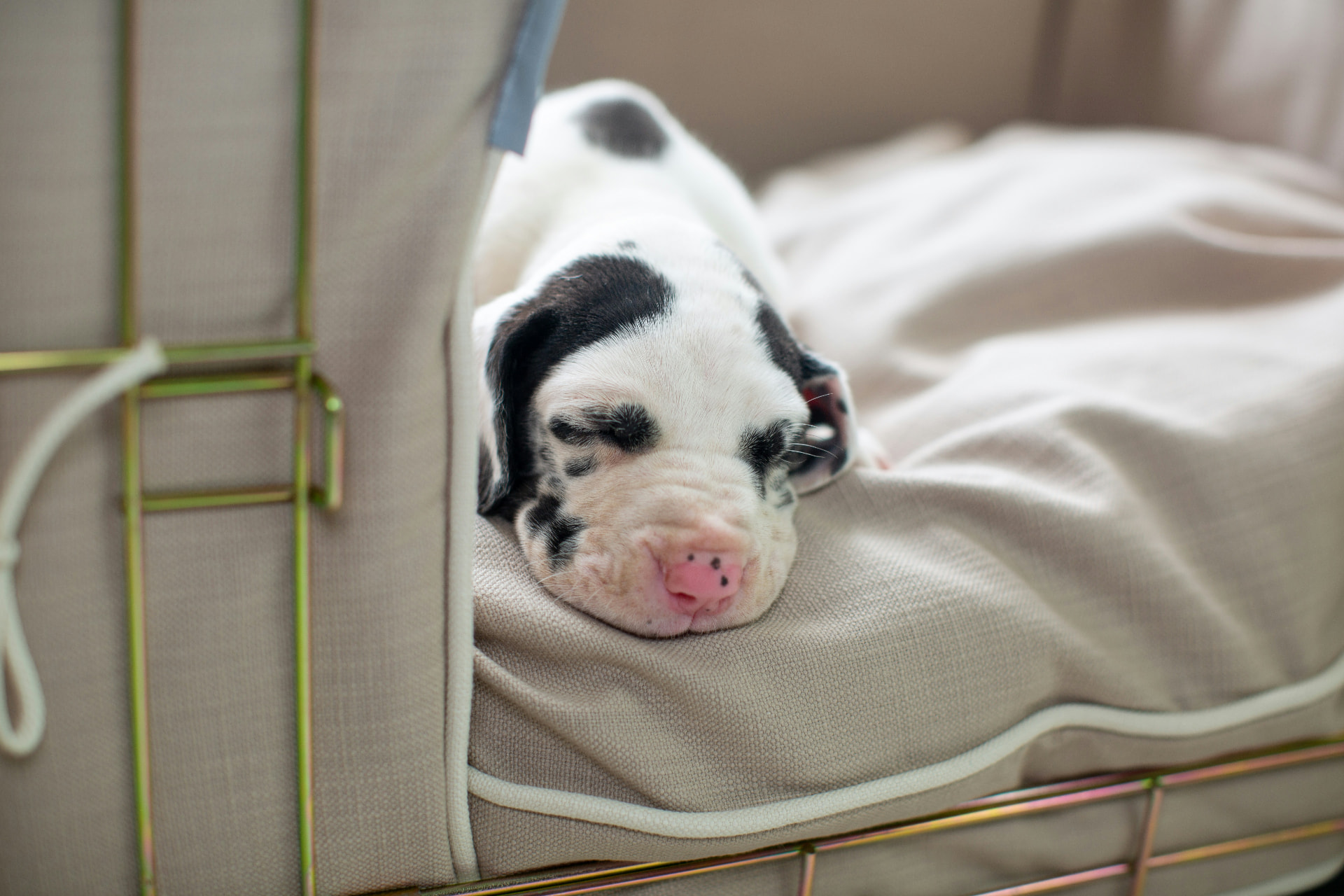
Quick answer
When should you insure a Great Dane puppy? You can compare policies early, but the minimum enrollment age varies by insurer. Starting coverage sooner may mean fewer symptoms or diagnoses predate the policy; waiting periods and pre-existing condition exclusions still apply. Check orthopedic and hereditary terms, your share of an eligible bill, and the premium against your budget. An early start isn't automatically the right choice for every family.
When can a Great Dane puppy enroll?
There isn't one age that applies to every policy. Providers set their own minimum enrollment ages, and availability and terms may differ where you live. Check the current rules for your puppy's exact age before planning around a start date.
I wouldn't rush just because a page says to enroll early. I would ask what a new policy could still help with and whether its premium fits the rest of your puppy budget. If you're deciding between insurance and setting money aside, the question is how you would handle an unexpected bill, not whether you're doing puppyhood correctly.
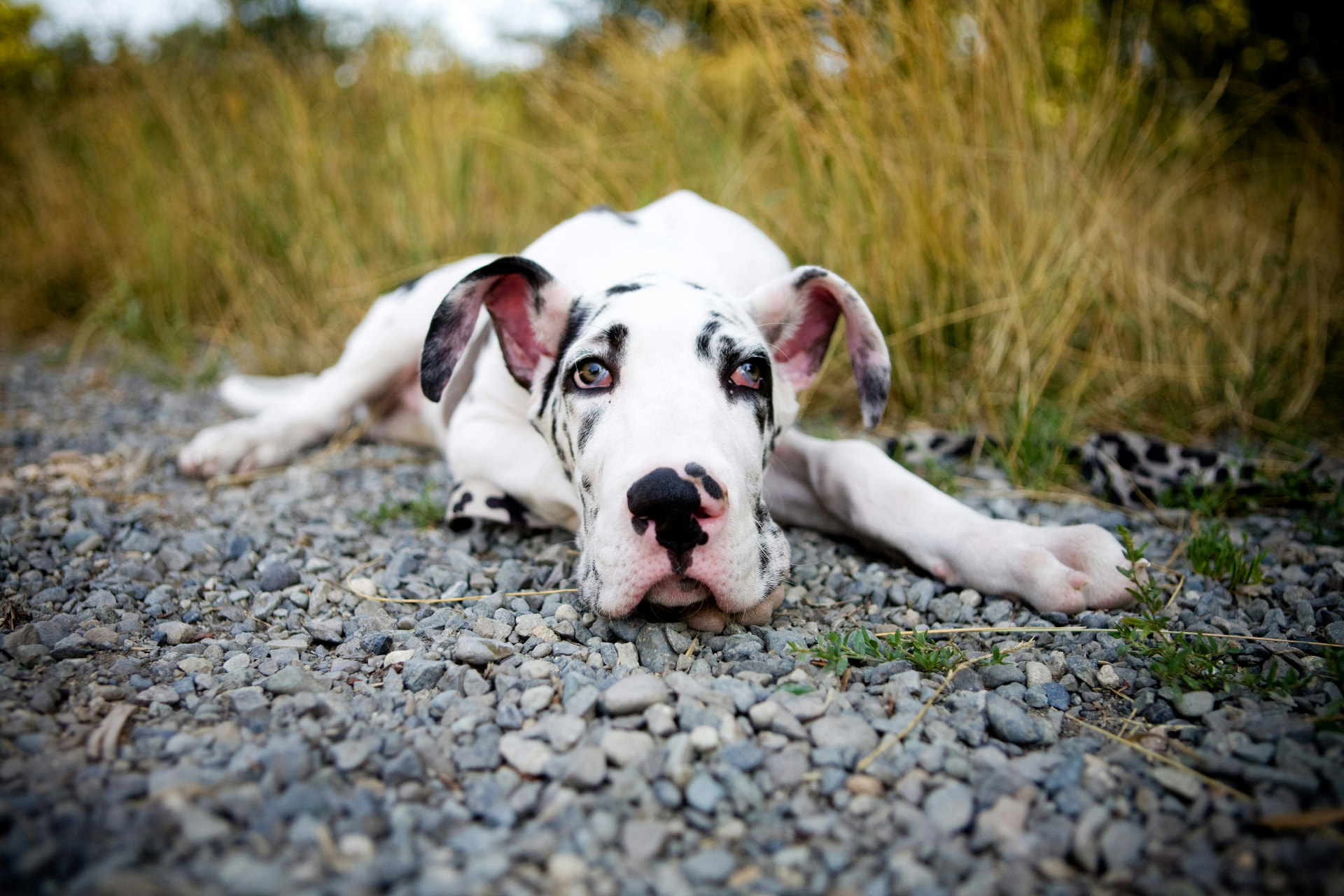
What early enrollment can and cannot change
An earlier start may mean fewer symptoms or diagnoses appear in the medical record before the policy begins. That can matter because policies typically limit coverage for conditions they define as pre-existing. It does not erase a symptom your puppy already had, make coverage immediate or promise that a later claim will be paid.
The definition matters more than a simple yes or no on a quote screen. Read how the policy treats signs before diagnosis, conditions noted during a waiting period, and any exceptions for curable conditions. Ask the insurer about a specific medical note rather than guessing what it means. Rules and protections can differ by state and policy.
Waiting periods are not all the same
A waiting period is the time after a policy starts before certain benefits can apply. Accident, illness and orthopedic waiting periods may have different lengths. For a growing giant-breed dog, I would look especially closely at the orthopedic section rather than assuming the shortest number on the quote page applies to every condition.
Check when each period begins, whether a veterinary exam affects it, and how the provider handles signs that appear while you wait. A quote date is not the same as the date coverage becomes effective. If any of that is unclear, ask for the policy language that answers it.
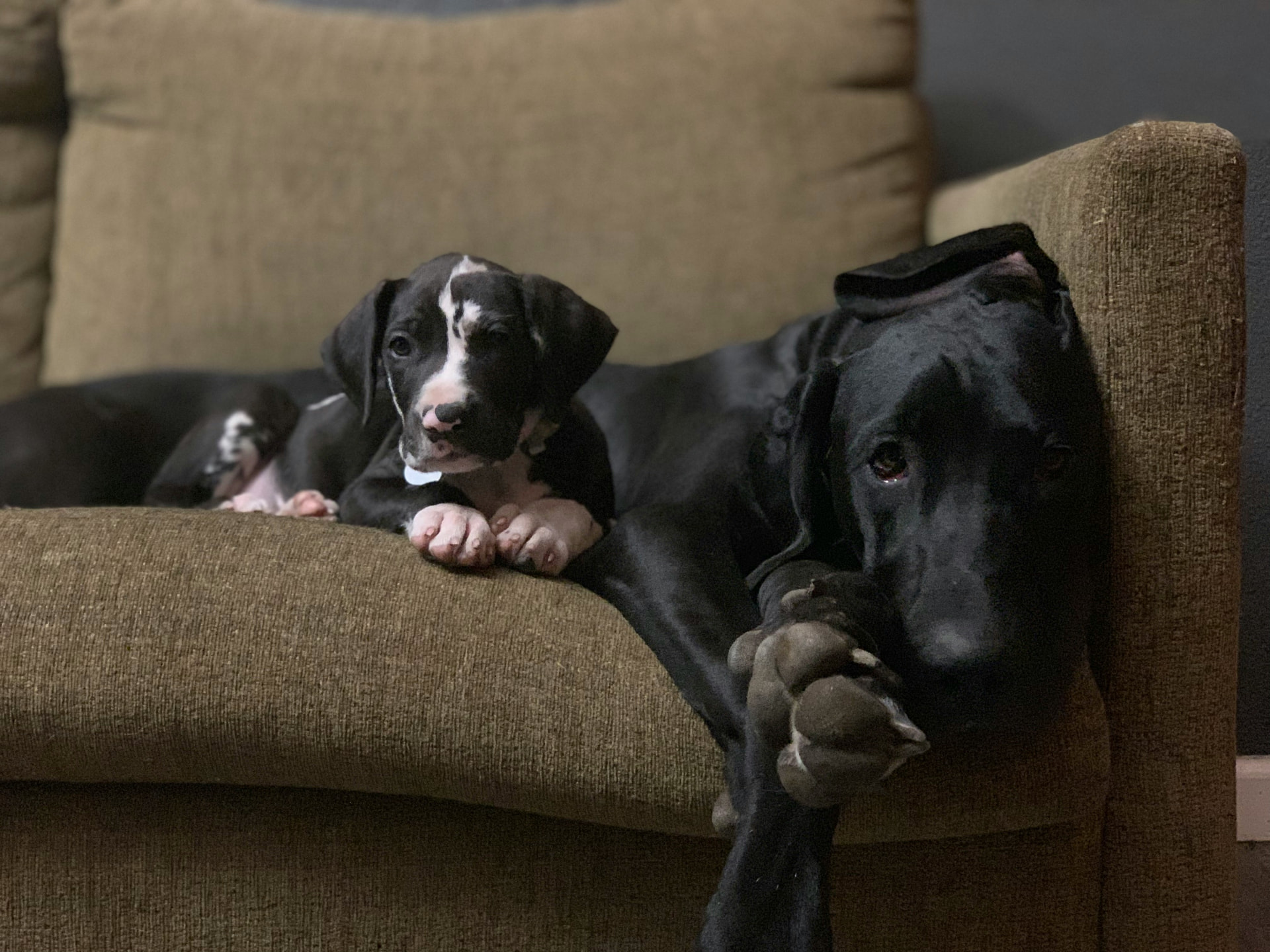
Read the giant-breed details
Great Danes can face orthopedic and other breed-associated health concerns, but a breed risk doesn't predict what will happen to your puppy. Hip dysplasia, for example, can develop as a dog grows. Look at how the policy defines hereditary and congenital conditions, hip problems, bilateral conditions and any orthopedic restrictions rather than assuming those words all mean the same thing.
Gastric dilatation-volvulus (GDV), often called bloat, is another concern to discuss with your veterinarian as your Great Dane grows. An emergency treatment claim and a preventive gastropexy are different questions for an insurer. Don't assume a policy that may address eligible emergency treatment also pays for a preventive procedure; ask about each separately.
- Is there a separate waiting period or restriction for orthopedic conditions?
- How are hereditary, congenital and bilateral conditions defined?
- Does the policy address exam fees, diagnostics and emergency care for eligible conditions?
- How are preventive procedures and routine-care add-ons treated?
Compare the part you might pay
A puppy quote can look manageable until you put it next to the deductible, reimbursement percentage and annual limit. Those choices determine how much of an eligible bill you may still owe. Some policies also require you to pay the veterinarian first and seek reimbursement afterward.
When I compare two quotes, I would keep the puppy's details and the coverage choices as similar as possible, then open the policy documents. Check whether the deductible is annual or per condition, what counts toward the annual limit, and whether premiums can change as your dog ages. The lowest monthly number isn't much help if it answers a different question.
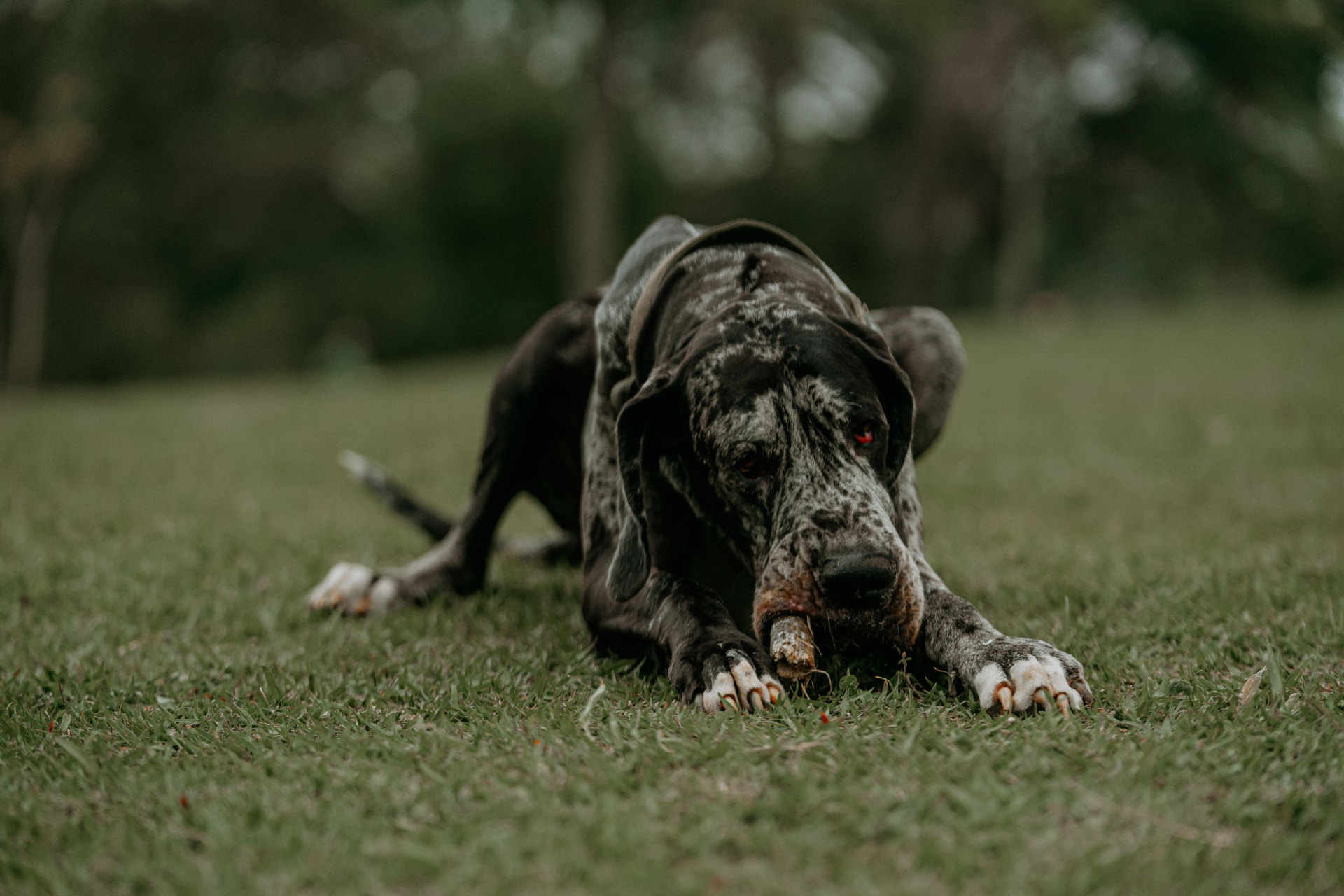
Keep the puppy's records together
Save examination notes, invoices and vaccination records from the breeder, shelter and your veterinarian if you have them. A record of a limp or stomach problem may matter to an insurer even without a final diagnosis. Ask what history the insurer requests and whether it needs an enrollment exam or records review.
These records are useful beyond a claim. They help you and your veterinarian track changes as your puppy grows. If you have a health concern now, your veterinarian is the person to ask about the dog in front of you; an insurance guide cannot interpret a symptom or a future coverage decision.
A decision you can make without pressure
You may decide a policy is worth considering because paying a large surprise bill at once would be difficult. You may decide to build a dedicated savings fund instead. Either way, put a current quote beside the actual policy, think about your out-of-pocket share and leave room in the budget for ordinary puppy care.
I would not treat an early quote as a deadline. It is information you can use to choose what feels manageable for your dog and your household.
Frequently asked questions
Is there a minimum age for puppy insurance?
Usually, yes. The minimum age varies by insurer and sometimes by policy or location. Check the current enrollment rules for your puppy's exact age before applying.
Will insurance cover a condition my puppy already has?
A condition or symptom that meets a policy's pre-existing definition may be excluded. Definitions and any exceptions vary, so read the policy and ask the insurer how a specific medical record would be treated.
Does puppy insurance pay for vaccines and routine visits?
Accident-and-illness coverage generally differs from routine-care benefits. Some providers offer optional wellness benefits for specified preventive services; compare their cost and allowances separately.
Does pet insurance cover bloat for a Great Dane puppy?
An accident-and-illness policy may help with eligible emergency GDV care if its terms, waiting periods and pre-existing condition rules allow it. Preventive gastropexy can be treated differently. Confirm both questions with the insurer and discuss health decisions with your veterinarian.