Quick answer
Great Danes commonly live about 8 to 10 years, according to the American Kennel Club, though some live shorter or longer lives. That's a breed-level estimate, not a prediction for your dog. Health, genetics and care vary from dog to dog, so use the range to plan, not as a deadline. Your veterinarian can help you make decisions based on your Great Dane's actual health.
What does the lifespan range mean?
The AKC cites 8 to 10 years for Great Danes. Some dogs live outside that range. Genetics, illness, nutrition, body condition, access to care and plain chance all play a part. There's no checklist that can promise extra years.
A number can't tell you what next year looks like for the dog beside you. I find it more useful as a reminder to talk with your veterinarian about the care your dog needs now, then revisit that conversation as things change.
Puppyhood: build a foundation
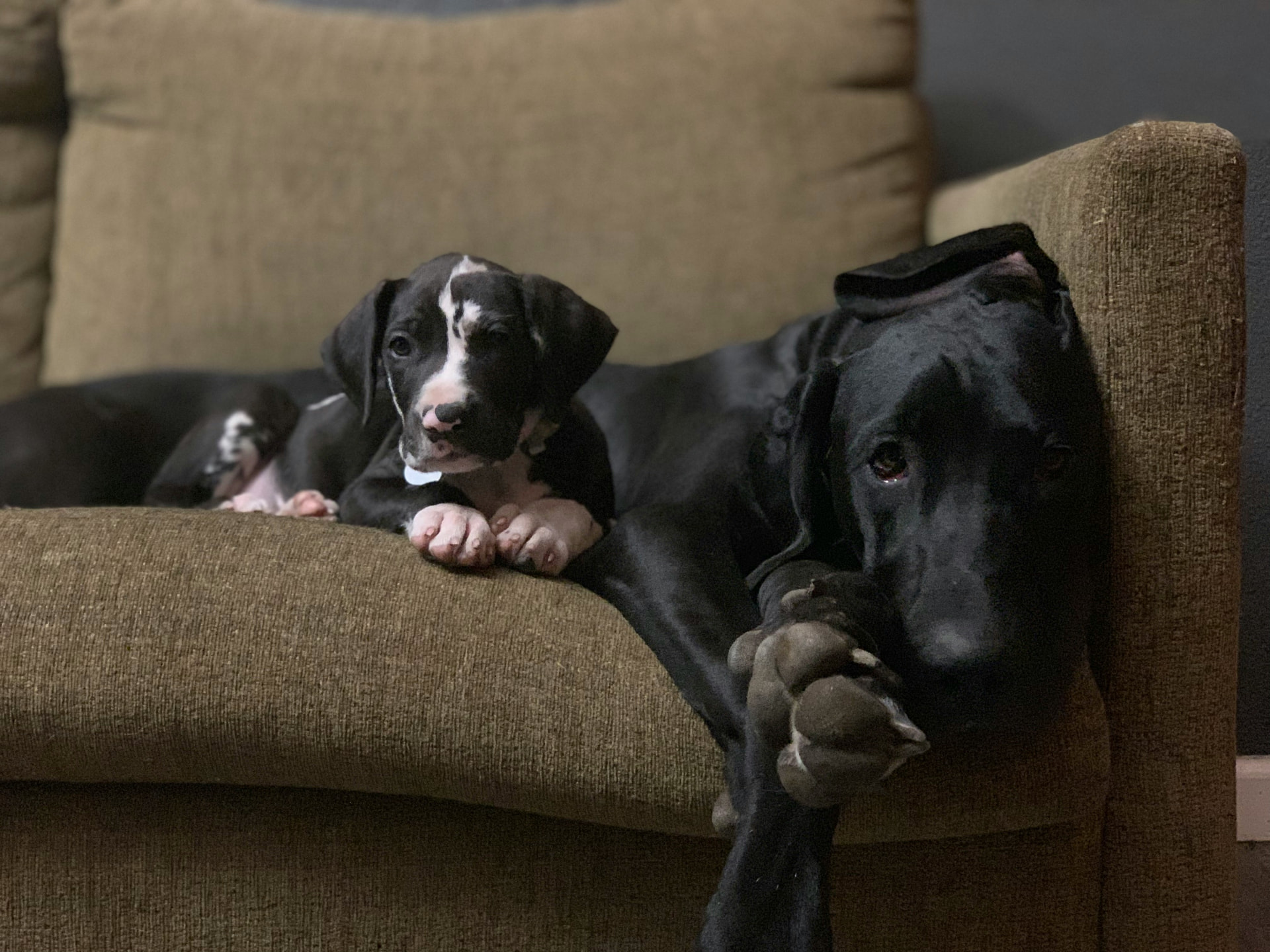
A Great Dane puppy grows quickly. Ask your veterinarian about food appropriate for a large or giant-breed puppy, healthy body condition and activity suited to your dog's development. The AKC notes that excessive growth can contribute to musculoskeletal problems; it does not mean a particular diet will prevent them.
This is also a practical time to learn what pet insurance does and does not cover. A new policy may have waiting periods, and a symptom documented before coverage begins may affect a later claim under that policy's definition of a pre-existing condition. There is no reason to rush past the contract just to enroll early.
Adulthood: notice changes, not just birthdays
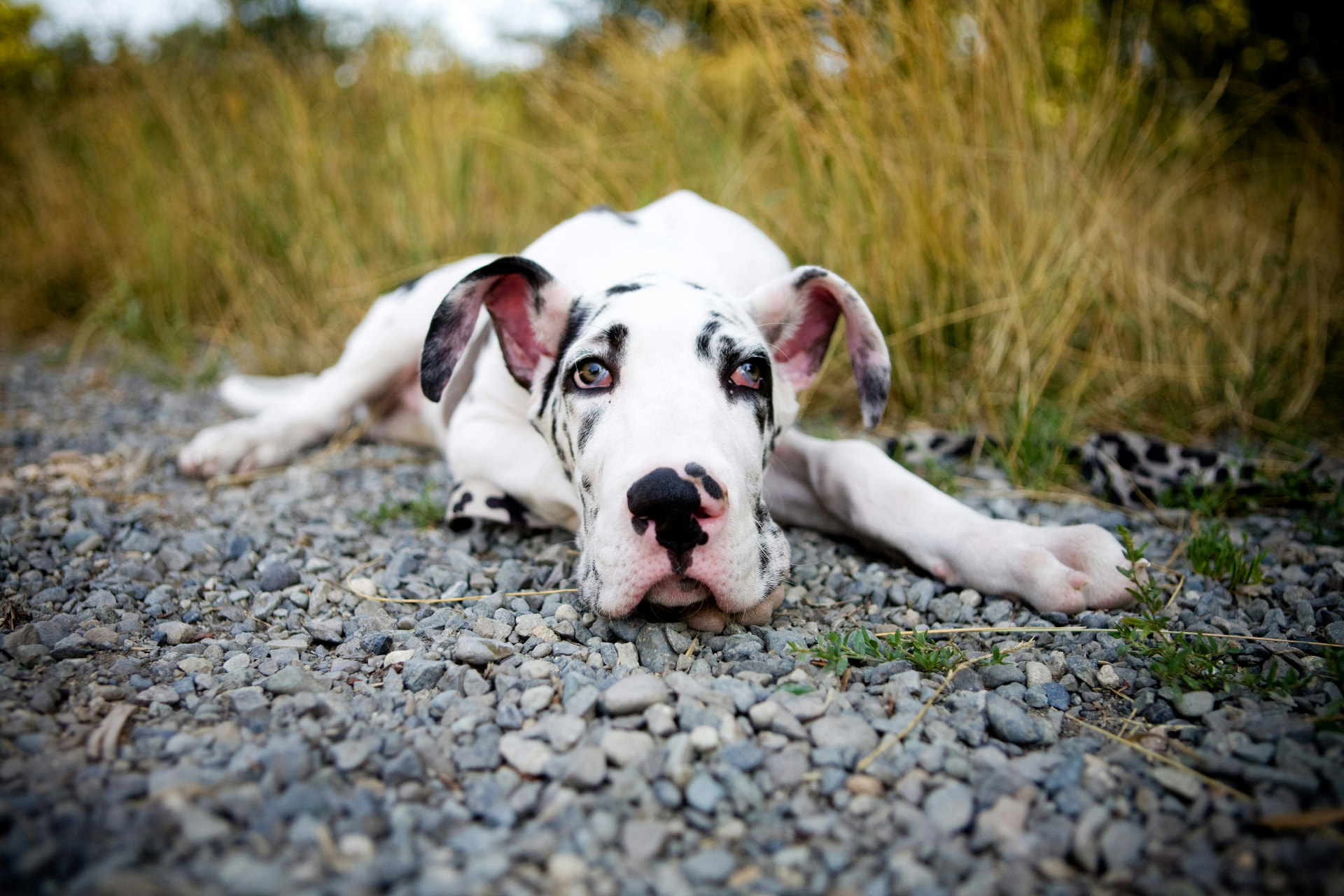
Routine veterinary visits are a chance to talk about weight, movement, appetite and anything that seems different from your dog's usual self. Some Great Danes may develop conditions such as gastric dilatation-volvulus (GDV), heart disease or joint problems, but a breed risk is not a diagnosis. Our health guide looks at those concerns more closely.
GDV is an emergency. If you suspect bloat, seek veterinary care immediately rather than using this page to decide whether symptoms are serious. Ask your veterinarian what signs to watch for and whether preventive gastropexy is appropriate for your dog.
The senior years: let your dog set the pace
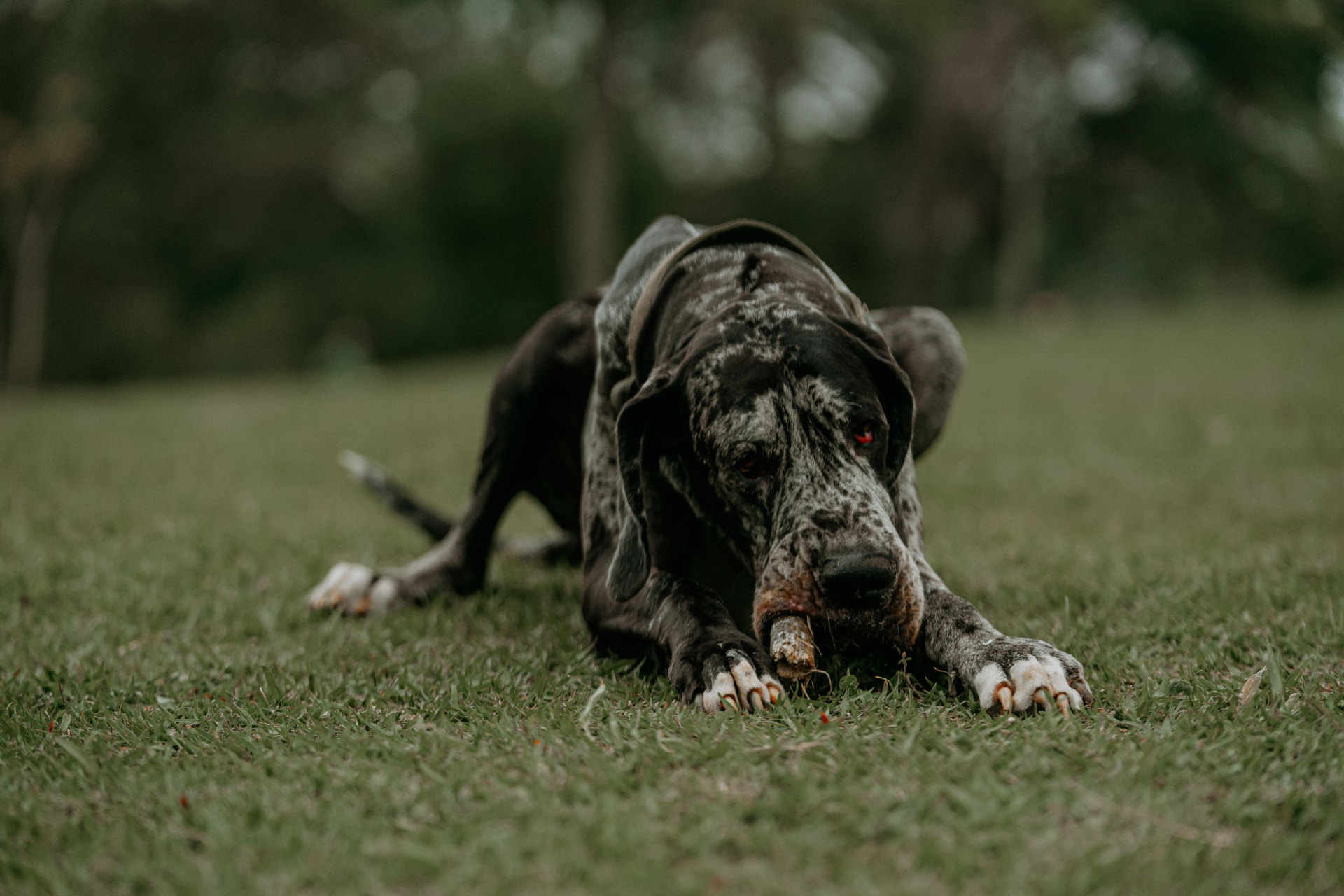
There's no birthday when every Great Dane suddenly needs the same senior plan. Maybe yours is still eager for a walk but slower to get up afterward. Tell your veterinarian about changes in mobility, appetite, energy or behavior, even if they seem small. Together you can decide whether visits or care need to change.
If you already have insurance, look at how your policy handles ongoing conditions and renewals. If you're considering a new policy, ask about enrollment age, waiting periods and medical-history exclusions. New coverage generally won't pay for a condition that was already there.
Where insurance fits into the picture
No policy adds years to a dog's life. What the right policy may do, depending on its terms, is make it easier to say yes to eligible veterinary bills when they come up. That part is a money decision, and it sits alongside the care plan you build with your veterinarian, not instead of it.
- For a puppy, compare waiting periods and hereditary or congenital condition terms before enrolling.
- For an adult, check whether your deductible, reimbursement choice and annual limit still fit your budget.
- For an older dog, compare the cost of new coverage with what the policy may exclude based on medical history.
- At any age, read the policy for your state rather than assuming a named Great Dane condition is covered.
Frequently asked questions
What is the average lifespan of a Great Dane?
The American Kennel Club gives a commonly cited range of about 8 to 10 years. Some Great Danes live shorter or longer lives; a breed estimate cannot predict an individual dog's lifespan.
When is a Great Dane considered a senior?
There is no single age that determines every dog's care needs. Ask your veterinarian when to adjust your Great Dane's visit schedule and what changes in mobility, appetite or behavior deserve attention.
Does pet insurance cover age-related illness?
It depends on the policy, when the condition began, waiting periods and exclusions. An illness that starts after coverage takes effect may be eligible, while a pre-existing condition may not be. Ask the insurer about the policy available in your state.