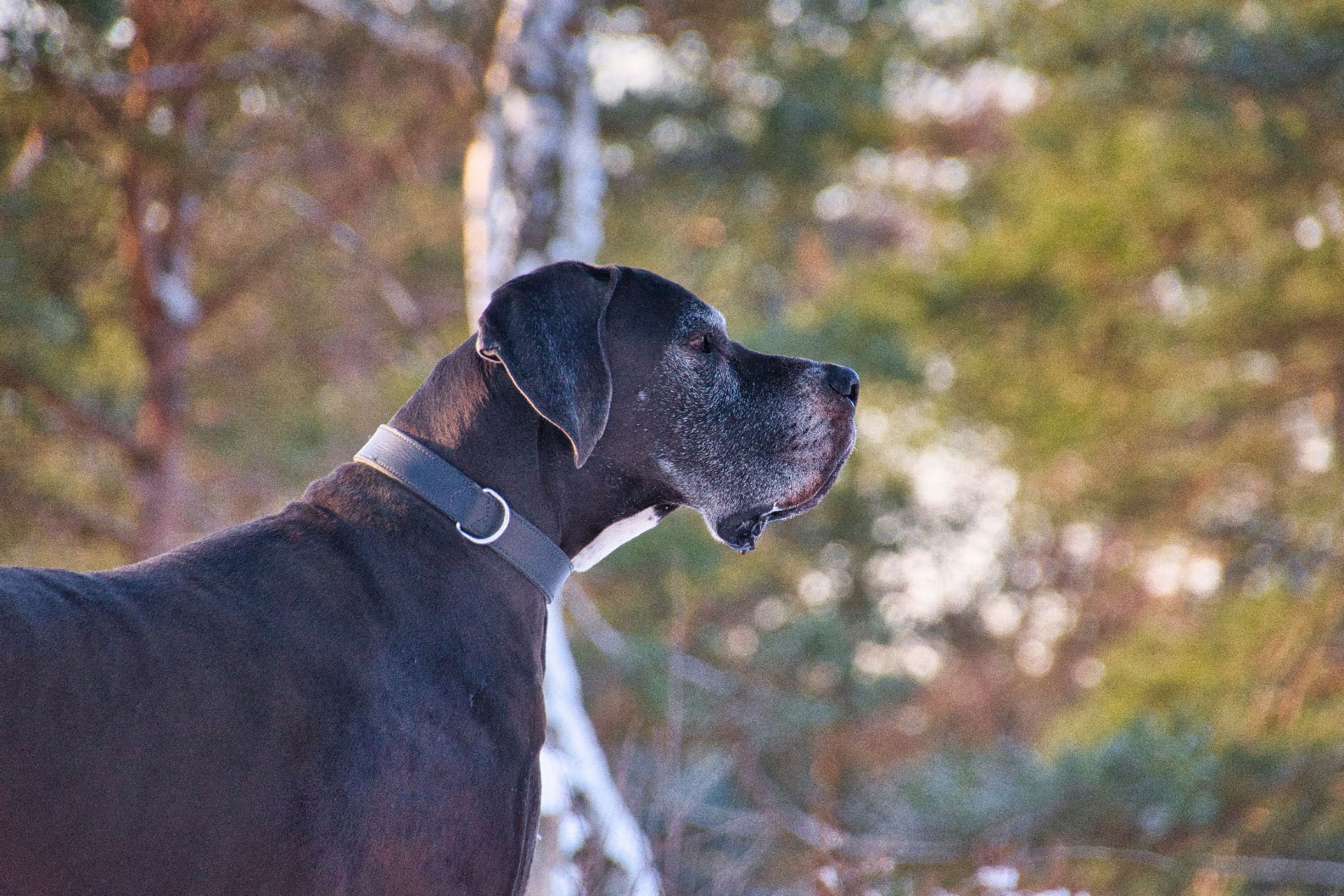
Quick answer
It may not be too late. Some insurers accept older Great Danes, while others set upper enrollment ages, so eligibility depends on the provider and your dog's exact age. A new policy generally excludes pre-existing conditions, and premiums often rise with age. Get a real quote, read the pre-existing condition and waiting period terms, and compare the cost with setting money aside yourself.
When is a Great Dane considered a senior?
Giant breeds tend to age sooner than small dogs. The American Kennel Club cites a typical Great Dane lifespan of about 8 to 10 years, so many owners start thinking about senior care well before their dog's tenth birthday.
There's no single age where coverage changes. Insurers set their own rules, and your veterinarian is the better guide to how your dog is actually aging.
Age eligibility varies by insurer
Some insurers have upper enrollment limits, while others may accept older dogs under different terms. I wouldn't rely on a general age cutoff you read online, including anything on this site. Confirm current eligibility for your location and your dog's exact age before assuming the door is closed.
Why medical history matters more now
A new policy generally does not cover conditions that meet its definition of pre-existing. A symptom, diagnosis or treatment in the medical record may be relevant even if the condition never got a final name.
By the senior years, most Great Danes have some history in their file. That doesn't make insurance pointless. It means the useful question shifts from "what's covered?" to "what new problems would this policy help with?"
What a senior policy may still help with
Depending on the terms, a policy may help with new accidents and new illnesses that appear after coverage starts and after waiting periods end. For an older dog, that can still matter: new conditions can show up at any age.
Read how the insurer treats curable versus incurable pre-existing conditions. Some policies may reconsider a curable condition after a symptom-free period, while others exclude it permanently. The policy wording decides this, not a summary page.
A clear comparison for an older dog
- Ask for the full premium, not just an introductory figure, and ask how premiums may change as your dog ages.
- Review annual limits and your remaining out-of-pocket exposure.
- Check how curable and incurable pre-existing conditions are defined.
- Confirm waiting periods, including any orthopedic waiting period.
- Ask whether a veterinary exam or records review is required to enroll.
- Compare self-funding alongside available coverage.
Insurance or a savings fund?
For some senior dogs, setting money aside each month is the more realistic plan, especially if most likely costs relate to conditions already in the record. For others, protection against a sudden new emergency is worth the premium.
I'd put both numbers side by side: what a year of premiums would cost, and what you could reasonably save in the same time. Then decide which risk you're more comfortable carrying.
Care that matters at any age
Whatever you decide about insurance, regular checkups help catch changes early. Watch for slower walks, stiffness after rest, changes in appetite or breathing, and any restless, unproductive retching, which can signal bloat and needs a veterinarian right away.
Frequently asked questions
Can I insure a 7-year-old Great Dane?
Possibly. Some insurers accept dogs of that age and some set limits. Get a quote with your dog's exact age and read the eligibility terms for your location.
Will insurance cover my senior dog's arthritis?
If arthritis or related symptoms appear in the record before coverage starts, a new policy will likely treat it as pre-existing. Check the policy definitions to be sure.
Do premiums go up as my Great Dane gets older?
They often do, though it depends on the insurer. Ask how renewal pricing works before you enroll.